Advertisement






The redevelopment of South Mumbai's Bhendi Bazaar, spearheaded by the Saifee Burhani Upliftment Trust (SBUT), has emerged as a pioneering model for eco-conscious urban renewal in India. The project includes advanced EV infrastructure, rooftop solar energy generation, rainwater harvesting, and redesigned pedestrian-friendly streets. With green features such as organic waste converters, 700 native trees, and energy-efficient building orientation, the redevelopment integrates modern sustainability practices with cultural continuity. Recognised with national accolades, Bhendi Bazaar's overhaul offers a replicable template for inclusive and future-ready urban regeneration.
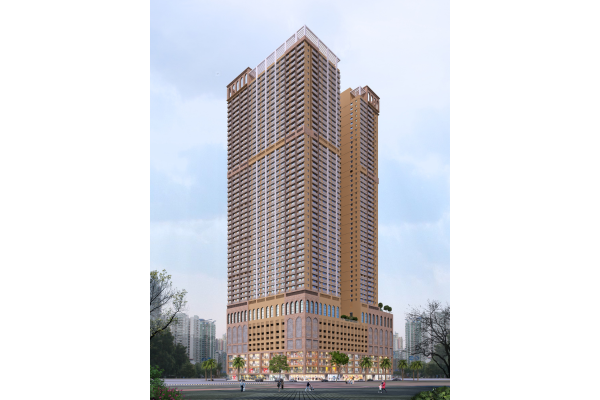
Once known for its crammed lanes and ageing infrastructure, Bhendi Bazaar in South Mumbai is undergoing a complete transformation under the direction of the Saifee Burhani Upliftment Trust (SBUT). The initiative is repositioning the historic precinct into a sustainable and future-ready neighbourhood, anchored in clean mobility and environmentally conscious planning. Advertisement


The newly developed Al Ezz tower stands as a symbol of this shift, offering structured EV-compatible parking - a first for a redeveloped heritage locality in Mumbai. The facility includes EV charging points for 40-50 two-wheelers and 10-20 four-wheelers. This aligns with India's national push towards electric mobility and positions Bhendi Bazaar as a microcosm of smart city aspirations.
The redevelopment integrates sustainability throughout its design. Rooftop solar installations are projected to generate over 600 kW of renewable energy, which will significantly reduce the area's dependence on the traditional power grid. Complementing this is an extensive water management system including rainwater harvesting and sewage treatment plants, aimed at efficient resource usage.
Solid waste management has also received due attention. Each building is fitted with garbage chutes and organic waste converters, ensuring proper segregation and recycling of wet and dry waste. The architectural design features a north-south orientation to lower solar heat gain and cut down the need for air conditioning, enhancing energy efficiency. Additionally, more than 700 native trees are being planted across the project to bolster local biodiversity and improve air quality.
Infrastructure on the ground has also been overhauled. Formerly congested alleyways have been widened into 18-metre roads to accommodate both vehicular movement and pedestrian access. These broader roads offer space for regulated parking and facilitate smoother traffic circulation, critical in a dense urban context like South Mumbai.
SBUT's efforts have drawn national recognition, including the FICCI Smart Urban Innovation Award in the 'Smart Infrastructure' category. Urban planners across India have taken note of Bhendi Bazaar as a model for integrating EV readiness and sustainability within the context of inner-city redevelopment - without compromising on social equity or heritage preservation.
As India's urban centres push forward with electrification and cleaner infrastructure, Bhendi Bazaar stands as a practical demonstration of how even the most densely populated traditional neighbourhoods can evolve into environmentally responsible urban ecosystems.
With embedded EV infrastructure, climate-conscious design, and pedestrian-centric spaces, the initiative not only caters to the evolving needs of the city but also sets a precedent for others to follow. As India continues to scale its ambitions in clean energy and sustainable mobility, Bhendi Bazaar serves as a grounded, real-world example of what holistic urban regeneration can look like.

5th Jun, 2025

25th May, 2023

11th May, 2023

27th Apr, 2023
Advertisement





 Facebook
 Whatsapp
