Advertisement






Ludhiana has launched a long-delayed construction and demolition (C&D) waste-processing plant in Dhandhari, with a capacity to handle 100 tonnes of debris daily. Originally budgeted at INR 2.69 crore, the cost swelled to INR 7.3 crore due to foundational work on a former dumpsite, with an additional INR 2.2 crore spent on machinery. This facility, funded under Swachh Bharat and Smart City missions, converts debris into tiles, bricks, and blocks. Despite past struggles with underutilised civic projects, officials hope the plant will curb illegal dumping and ease landfill pressure provided residents and contractors comply.
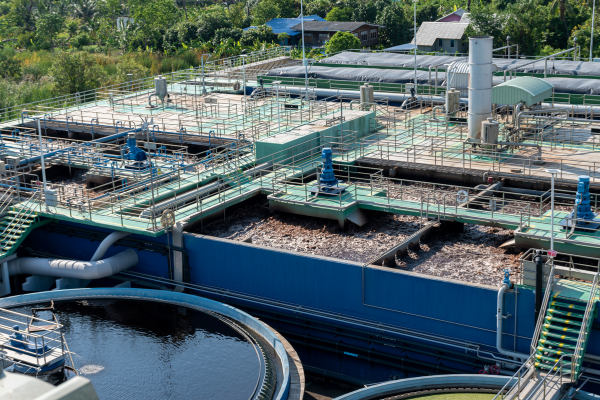
The Ludhiana Municipal Corporation has finally launched its much-delayed C&D waste processing plant in Dhandhari Kalan, aiming to tackle widespread illegal dumping across the city. The facility, developed under the Swachh Bharat Mission and partially under the Smart City initiative, is designed to process up to 100 tonnes of construction and demolition debris every day. This waste will be converted into eco-friendly construction materials such as tiles, bricks, paver blocks, and kerb stones in an effort to promote recycling while also easing the burden on city landfills. Advertisement


The project, initially sanctioned at a cost of INR 2.69 crore under the Smart City Mission, encountered substantial delays and complications during execution. The land allocated for the plant turned out to be a previously used dumping ground, which significantly hindered foundational construction. As a result, an additional INR 4.6 crore was spent on removing old debris, raising the ground level, and establishing a stable base. The revised construction cost rose to INR 7.3 crore, and an extra INR 2.2 crore was invested for procurement of high-capacity processing machinery.
The facility was developed by the city's civic body in collaboration with private contractor AG Dauters Waste Processing Private Limited, which will also handle the operation and maintenance. The operator has been given a performance-based contract to ensure smooth functioning and accountability.
According to Ludhiana Municipal Commissioner Aaditya Dachalwal, the corporation is now making it mandatory for all contractors to dispose of their C&D waste at the new facility. They must produce disposal receipts to claim payment for any municipal construction or demolition work. The move is aimed at establishing a transparent disposal mechanism and deterring illegal dumping practices that have marred public spaces, footpaths, green belts, and vacant lands across the city.
The plant has been set up on 2.5 acres of land and is expected to significantly contribute to the city's environmental and cleanliness goals. Officials have emphasized that the success of this initiative depends not just on infrastructure but on compliance by residents, contractors, and private developers. The Ludhiana Municipal Corporation will now also undertake awareness campaigns to inform the public and construction firms about the new system.
Despite the optimism surrounding the plant's launch, concerns have surfaced regarding underutilization. Previous civic investments like the modern slaughterhouse and animal carcass disposal plant in Ludhiana have seen disappointing results due to poor monitoring and lack of enforcement. Stakeholders have urged the municipal authorities to ensure that this project does not meet a similar fate.
A comparison with cities like Lucknow where a larger, 150-tonne-per-day C&D waste plant is operational but continues to struggle with rampant illegal dumping has highlighted the importance of active enforcement and user participation. Without strict penalties and incentivized compliance, even the most advanced infrastructure may fail to meet its intended purpose.

5th Jun, 2025

25th May, 2023

11th May, 2023

27th Apr, 2023
Advertisement





 Facebook
 Whatsapp