Advertisement






The Karnataka State Pollution Control Board (KSPCB) now requires all new residential and commercial projects exceeding 20,000 sq m to include on-site solid waste processing units and sewage treatment plants. These must be planned from the outset, or projects will not receive environmental clearance. The move aims to address Bengaluru's ongoing environmental challenges, such as lake frothing and groundwater depletion, often linked to unregulated construction. Developers must also reuse treated wastewater within the premises and submit feasibility reports for approval. Compliance will be monitored through pre-construction checks and post-completion inspections. Industry bodies like CREDAI Karnataka are engaging with KSPCB to ensure developer-friendly implementation. The initiative responds to mounting judicial pressure on state agencies to enforce environmental regulations more rigorously, signalling a shift towards more sustainable urban development practices in Karnataka.
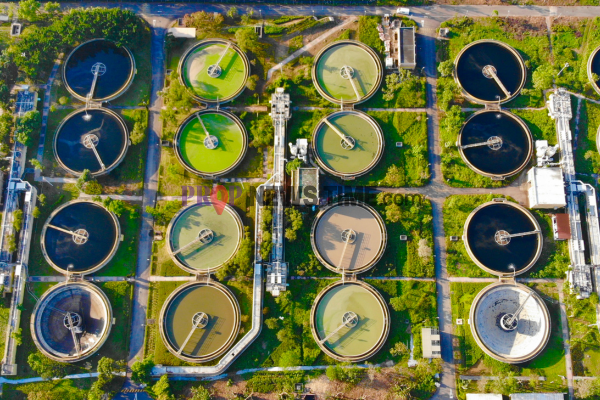
In a decisive regulatory update, the Karnataka State Pollution Control Board (KSPCB) has made it compulsory for all upcoming residential and commercial projects exceeding 20,000 square metres in built-up area to include in-house solid waste processing units and sewage treatment plants. These infrastructure elements must now be incorporated at the planning stage, failing which project proposals will not receive the necessary environmental clearances. Advertisement


KSPCB officials noted that past norms existed but were often diluted at the execution level, allowing untreated sewage and unmanaged waste to enter public systems. This new enforcement model, they explained, will involve pre-construction vetting and post-completion inspections, ensuring that compliance extends beyond paperwork.
Another key change mandates the reuse of treated wastewater within the premises-either for gardening, flushing, or HVAC systems. Any deviation could result in the withdrawal of operational consent. Developers must also submit feasibility reports on waste and sewage treatment infrastructure as part of their application.
Environmentalists have endorsed the initiative, describing it as a long-overdue structural fix to the cascading ecological issues tied to unchecked vertical growth. Bengaluru's frequent lake frothing, groundwater depletion, and collapsing waste systems have repeatedly been linked to unregulated construction, especially in peripheral areas.
While industry stakeholders have expressed support in principle, bodies like CREDAI Karnataka are reportedly in talks with the pollution board to ensure that implementation frameworks are developer-friendly, especially for midsize players. They have urged the government to facilitate technical workshops and provide transition time.
This crackdown comes on the heels of increasing judicial scrutiny, with courts pulling up state agencies for weak enforcement of environmental laws. With urban ecosystems teetering under pressure, the move is seen as a recalibration of development priorities in favour of long-term sustainability.

5th Jun, 2025

25th May, 2023

11th May, 2023

27th Apr, 2023
Advertisement





 Facebook
 Whatsapp