Advertisement






The Pimpri-Chinchwad Municipal Corporation (PCMC) has taken a firm step by cutting water supply to housing societies with non-functional sewage treatment plants (STPs). Despite repeated notices, nearly 40 per cent of societies failed to activate their STPs, which are mandatory under local development regulations. Residents have raised concerns that many STPs were defective or inactive from the time of possession, blaming builders and lax civic oversight. PCMC underlines that operational STPs are vital for water conservation and environmental protection, especially given the city's rising water demand.
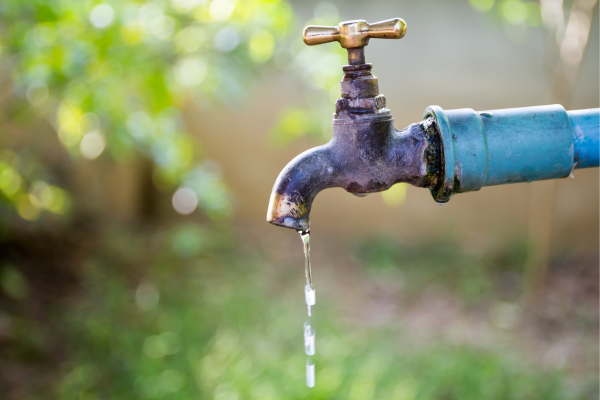
The Pimpri-Chinchwad Municipal Corporation (PCMC) has recently commenced the disconnection of water supply to housing societies that do not have functional sewage treatment plants (STPs), a move aimed at enforcing environmental regulations and promoting water conservation. This decisive action targets 184 out of 456 housing societies within the jurisdiction that have repeatedly failed to activate their STPs despite receiving several notices. Advertisement


Under the Unified Development Control and Promotion Regulations (UDCPR), any housing development exceeding 20,000 square metres is required to install and maintain an operational STP. The purpose of these plants is to treat sewage water effectively, thereby conserving water resources by enabling the reuse of treated wastewater and reducing pressure on municipal sewage systems.
Officials from PCMC have expressed concern that many housing societies have continued to operate without compliant sewage treatment infrastructure, which poses serious environmental and health risks. The corporation had issued multiple warnings to these societies over the past months, but in many cases, these went unheeded, compelling the civic body to enforce water supply cuts as a last resort.
Residents of affected societies, however, have voiced their frustrations, stating that many STPs were either of poor quality or not functional even when possession was handed over by developers. They claim that builders often delivered substandard or incomplete sewage treatment infrastructure and that civic authorities granted completion certificates without thorough verification of operational status.
This issue is not new to the region. In the previous year, PCMC had served notices to 41 societies for having defunct STPs, indicating a persistent problem of non-compliance and inadequate monitoring. Despite these earlier efforts, the lack of functional sewage treatment facilities remains widespread, underlining the need for more stringent enforcement and transparency.
The civic administration stresses the critical role of functional STPs in conserving water, especially as Pimpri-Chinchwad experiences growing water demand due to urbanisation. Properly maintained sewage treatment plants reduce environmental pollution, facilitate sustainable water management, and support the city's broader efforts towards ecological balance.
PCMC's recent measures send a clear message to builders and residents alike: environmental regulations will be enforced strictly, and the responsibility of maintaining essential infrastructure rests on all stakeholders. While the water cuts may cause inconvenience, they are necessary to safeguard the city's water resources and public health.
Transparent monitoring, stricter regulatory frameworks, and public awareness are essential to ensure that infrastructure like STPs not only exists but functions effectively to support Pimpri-Chinchwad's future water security and environmental sustainability.

5th Jun, 2025

25th May, 2023

11th May, 2023

27th Apr, 2023
Advertisement





 Facebook
 Whatsapp