Advertisement






Adani Ports and Special Economic Zone Ltd (APSEZ) has raised INR 5,000 crore through its largest-ever domestic bond issue, a 15-year Non-Convertible Debenture (NCD) fully subscribed by LIC at a 7.75% coupon rate. The AAA-rated NCDs will be listed on the BSE. The funds will support a planned buyback of APSEZ's USD bonds and extend average debt maturity from 4.8 to 6.2 years. CEO Ashwani Gupta highlighted this as part of a broader capital management strategy to maintain conservative leverage, diversify funding, and back APSEZ's goal of handling 1 billion tonnes of cargo by FY30. In FY25, APSEZ posted INR 20,471 crore EBITDA, reducing its net debt-to-EBITDA ratio to 1.8x. Key projects include Kerala's Vizhinjam port and a Colombo terminal. The successful issuance underscores APSEZ's financial strength and long-term growth ambitions in global transport and logistics.
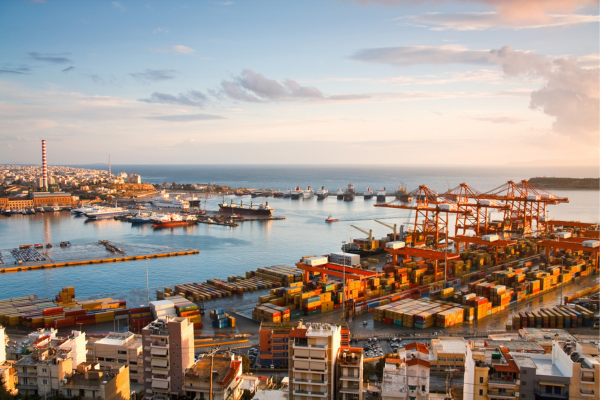
Adani Ports and Special Economic Zone Ltd (APSEZ) recently announced that it had raised INR 5,000 crore through its largest-ever domestic bond issue, further strengthening its financial strategy. The funding was secured via a 15-year Non-Convertible Debenture (NCD) offering, fully subscribed by the Life Insurance Corporation of India (LIC). Advertisement


According to the company's statement, the debentures were issued at a competitive coupon rate of 7.75% per annum. Backed by robust financials and a 'AAA/Stable' domestic credit rating, the issuance reflects APSEZ's strong position in capital markets. The NCDs are set to be listed on the BSE.
The firm highlighted that this transaction not only reinforces its deep access to long-term capital but also marks a milestone as the company's longest-tenure issuance to date. It is also regarded as one of the lengthiest debt instruments in Indian capital markets history. The proceeds from this issue are expected to be channelled towards a planned buyback of APSEZ's US Dollar bonds, subject to board approval scheduled for later this week.
The company noted that a full subscription would substantially extend its average debt maturity-from 4.8 years to 6.2 years-thereby optimising its financial structure. APSEZ's CEO Ashwani Gupta remarked that this move represents more than a routine funding activity. He explained that it is part of a carefully designed capital management plan aimed at preserving conservative leverage, extending debt tenures, cutting borrowing costs, and diversifying funding avenues. This plan, he added, is tailored to support APSEZ's long-term ambition to become the world's largest integrated transport utility.
APSEZ has laid out an aggressive growth blueprint that includes handling 1 billion tonnes of cargo by FY30-more than double its FY25 target. Apart from its core port operations, the company is actively expanding its logistics and marine verticals.
In FY25, APSEZ recorded an EBITDA of INR 20,471 crore, reflecting a 19% year-on-year growth. This performance brought its net debt-to-EBITDA ratio down to 1.8x-the lowest in the past decade-despite significant capital expenditure across its network of 18 ports and terminals. Notable developments include the launch of the Vizhinjam port in Kerala, India's first global transshipment hub, and a new terminal in Colombo, Sri Lanka.
The company further stated that its improved debt structure and capital cost efficiency are granting access to more patient capital and greater liquidity. These factors are key enablers for long-term planning and large-scale infrastructure investments. Additionally, this financial flexibility positions APSEZ to pursue inorganic growth opportunities while redirecting resources towards innovation, technology upgrades, and enhanced operational effectiveness.
By successfully raising long-tenure capital at favourable rates, the company has demonstrated its financial discipline and investor confidence. Beyond the numbers, this development reflects a deeper commitment to sustainable growth, enhanced capital efficiency, and strategic foresight. As APSEZ continues to expand its port and logistics infrastructure across the Indian subcontinent, it is setting new benchmarks not only in operational scale but also in financial resilience and capital stewardship.
Source - PTI

5th Jun, 2025

25th May, 2023

11th May, 2023

27th Apr, 2023
Advertisement





 Facebook
 Whatsapp