Advertisement





Zurich Kotak General Insurance has partnered with Mumbai Metro to brand the Goregaon East station on Metro Line 7 as 'Zurich Kotak Goregaon East.' Located beside NESCO, one of Mumbai's major commercial hubs, the station serves thousands of daily commuters and connects key residential and business areas such as Goregaon and Andheri. The initiative reflects the company's vision to integrate its brand with the city's mobility ecosystem while symbolizing progress, reliability, and long-term commitment to India's growing infrastructure landscape.
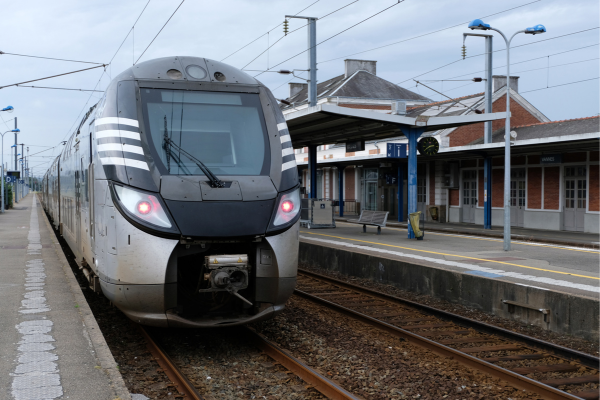
Zurich Kotak General Insurance has branded the Goregaon East station on Mumbai Metro Line 7 as 'Zurich Kotak Goregaon East.' The metro station, situated next to NESCO, a major commercial hub in the western suburbs plays a crucial role in easing connectivity for professionals, entrepreneurs, and residents in Mumbai's fast-growing business corridor. Advertisement


The station, located near the insurer's head office, connects several residential areas with business zones such as Goregaon and Andheri. This move aims to strengthen daily mobility while enhancing the city's public transport network.
After the unveiling ceremony, Alok Agarwal, Managing Director and CEO of Zurich Kotak General Insurance, mentioned that Mumbai Metro represents India's mobility transformation and has become an essential lifeline for the city. He stated that the company's association with the metro station marks its commitment to supporting Mumbaikars in their journey toward growth and resilience, symbolizing progress and protection.
Surabhi Kanjilal, Chief Marketing Officer at Zurich Kotak General Insurance, noted that metro stations have become part of people's daily lives and that this partnership reflects the company's intent to be present alongside every commuter. She emphasized that the brand stands for progress, support, and confidence, drawing strength from Zurich's global expertise and Kotak's strong local understanding of Indian consumers.
The company, formed as a joint venture between Zurich Insurance Company Ltd. and Kotak Mahindra Bank Limited, was renamed Zurich Kotak General Insurance Company (India) Limited after Zurich acquired a 70% stake in August 2024. Established in 2015, it serves India's non-life insurance market through a range of products including motor, health, home, and commercial insurance.
Source PTI

5th Jun, 2025

25th May, 2023

11th May, 2023

27th Apr, 2023
Advertisement





 Facebook
 Whatsapp