Advertisement






Maharashtra Revenue Minister Chandrashekhar Bawankule has hinted at upcoming land law reforms aimed at easing property development restrictions on smaller land parcels, particularly in urban areas like Nagpur. A new law, expected in the monsoon session, will allow development on one-guntha plots (1,000 sq. ft.) in residential zones, effectively amending current rules that limit land fragmentation. The move is expected to simplify property transactions and boost housing availability. The minister also confirmed that residents of Kumbhari village, affected by land acquisition near Nagpur, will receive full rehabilitation benefits. The proposed reforms aim to balance urban planning with increased flexibility in land use.
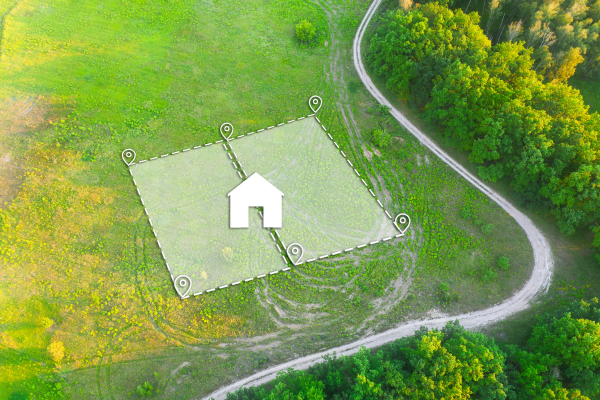
Speaking to reporters in Delhi, Maharashtra Revenue Minister Chandrashekhar Bawankule has recently hinted at a major land law reform. This move, impacting property development across the state, particularly in cities like Nagpur, aims to allow for the development of previously restricted smaller land parcels and simplify property dealings through upcoming legislation. Advertisement


The state government is preparing to introduce new legislation in the upcoming monsoon session. This reform will specifically permit the development of plots measuring one-guntha, which is equivalent to 1,000 square feet, within residential zones. This effectively amends existing restrictions on land fragmentation.
In a related matter, the Minister also addressed the rehabilitation of residents from Kumbhari village near Nagpur, ensuring they would receive the same resettlement benefits as those whose agricultural land had been acquired for other projects.
Land fragmentation rules are essential for planned urban development, but overly strict regulations can limit the use of smaller plots, affecting housing supply. Reforms that balance planned growth with flexibility can significantly boost housing availability.

5th Jun, 2025

25th May, 2023

11th May, 2023

27th Apr, 2023
Advertisement





 Facebook
 Whatsapp
