Advertisement






Indore Metro conducted an 11?km trolley trial from Malviya Nagar Square to Super Corridor 2, with MPMRCL MD S Krishna Chaitanya inspecting civil works, lifts, escalators, ticketing areas, control rooms, and track systems at multiple stations. This trial is a key step toward extending metro services beyond SC 03. Following earlier successful runs, including a 5 km stretch from SC-03 to MR-10, the inspections reflect steady progress in phase?II expansion. Authorities are focused on completing all remaining works on time while ensuring high standards, aiming to provide safe, reliable, and eco-friendly metro services.
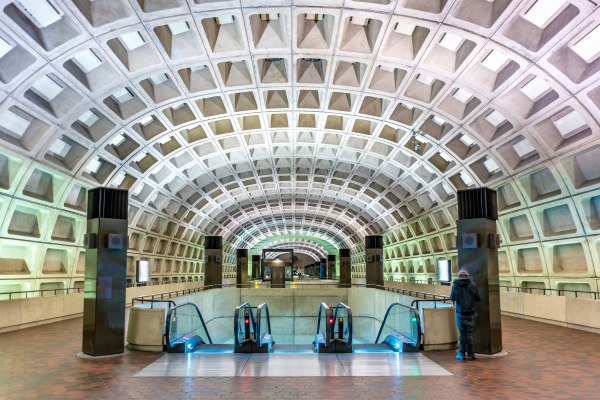
The Indore Metro recently conducted a trolley trial on an 11?km stretch from Malviya Nagar Square to Super Corridor?2 station. Madhya Pradesh Metro Rail Corporation Limited (MPMRCL) managing director S Krishna Chaitanya oversaw the inspection, assessing the progress of construction work and preparations for upcoming metro operations. The review included civil works, installation of lifts and escalators, station entry-exit arrangements, control rooms, ticketing areas, track quality, and other technical systems at stations such as Vijay Nagar, Meghdoot Garden, Bapat Chauraha, Hiranagar, Chandragupta Chauraha, and Malviya Nagar Chauraha. Advertisement


Officials described this step as crucial for launching metro services beyond the existing SC-03 station. Chaitanya emphasized completing the remaining works on time and maintaining quality standards to ensure safe, environmentally friendly, and world-class metro operations for Indore residents. The inspection follows previous trial runs over a 5 km stretch from SC-03 to MR-10 station and builds on the earlier phase-I operations between Gandhi Nagar and SC-03. These tests demonstrate steady progress in expanding metro connectivity to densely populated and commercially important areas.
The metro authority has consistently highlighted the importance of rigorous inspections and timely completion of civil, mechanical, and electrical works, signaling that the new stretch could soon be operational. The extension is expected to enhance urban mobility, reduce travel time, and provide efficient public transport options to key areas across the city.

5th Jun, 2025

25th May, 2023

11th May, 2023

27th Apr, 2023
Advertisement





 Facebook
 Whatsapp