Advertisement






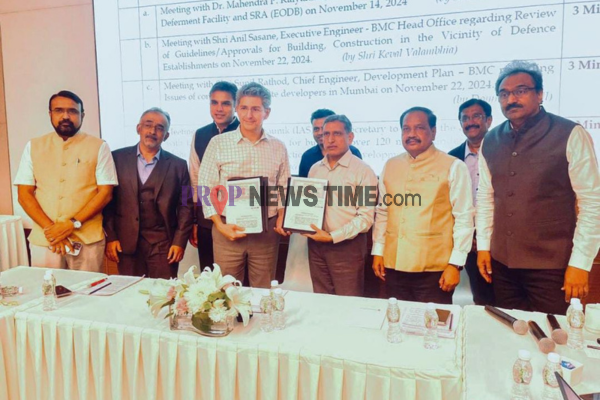
CREDAI-MCHI has partnered with MAHAPREIT, a Maharashtra government undertaking, to tackle air emissions and promote decarbonization in the construction sector. This 12-month non-financial MoU aims to establish a roadmap for achieving Net Zero emissions and fostering sustainability in the Mumbai Metropolitan Region (MMR). MAHAPREIT will use its expertise in renewable energy and carbon reduction to assess pollution sources, evaluate construction activities' environmental impact, and propose eco-friendly practices. CREDAI-MCHI will provide access to sites and collaborate on implementing these measures. Key focus areas include GHG emissions assessment, improved construction techniques, and stakeholder training. This collaboration reflects a shared commitment to creating a sustainable, eco-conscious construction ecosystem in Maharashtra.Read more
The Bhubaneswar Metro, initiated by the Bhubaneswar Metro Rail Corporation Limited (BMRCL), aims to modernize transportation in Odisha's capital region. Approved in 2023, Phase 1 covers a 26 km corridor from the airport to Trisulia Square, including 20 elevated stations and an estimated cost of INR 5,926.38 crore. With construction starting in early 2024 and operations expected by 2028, the project strives to ease congestion, reduce emissions, and enhance daily commutes. Future expansions may link Bhubaneswar with Cuttack and other key destinations. Although concerns about viability, population density, and ridership persist, proper integration with existing public transport could ensure the metro's success.Read more
The Ahmedabad Metro is a transformative rapid transit system designed to modernize urban mobility in Ahmedabad and Gandhinagar, Gujarat. Phase 1, fully operational by October 2022 at a cost of INR 10,773 crore, spans 40.03 km across two corridors: the Red Line (North-South) and the Blue Line (East-West), connecting key areas with 33 stations. It has significantly reduced traffic congestion, cut travel times, and provided an eco-friendly alternative to road transport. Phase 2, underway at an estimated cost of INR 5,384 crore, will add 28.26 km, enhancing regional connectivity, including links to Gandhinagar and GIFT City. With plans for a future Phase 3, the Ahmedabad Metro exemplifies urban innovation, sustainability, and progress, shaping Gujarat's infrastructure landscape.Read more
Seema Singh, a member of Alkem Laboratories' promoter group, has purchased a sea-view luxury apartment in the Lodha Sea Face tower in Mumbai for INR 185 crore. The apartment spans 14,000 sq ft and is located on the 30th floor, with Singh also securing 9 parking spots. This marks the second-largest luxury deal in Mumbai this year, following a INR 270 crore transaction at Lodha Malabar. Singh, who recently sold a portion of her shares in Alkem Laboratories, paid a stamp duty of INR 9.25 crore. Property sales in Mumbai and other major cities have seen a significant rise in 2024, with the market expected to finish strong.Read more

The Agra Metro is a transformative urban transit project designed to modernize Agra's transportation infrastructure and support its population and tourism. Phase 1 includes two corridors: the Yellow Line (Taj East Gate to Mankameshwar Mandir) and the Blue Line (Agra Cantt to Kalindi Vihar), covering 29.4 km with a total estimated cost of INR 12,899 crore. The Yellow Line's 6 km priority corridor, inaugurated in March 2024, features six stations, including Taj Mahal and Agra Fort. Upon full completion by 2026, it promises a seamless, sustainable transport solution for residents and tourists alike.Read more
Advertisement


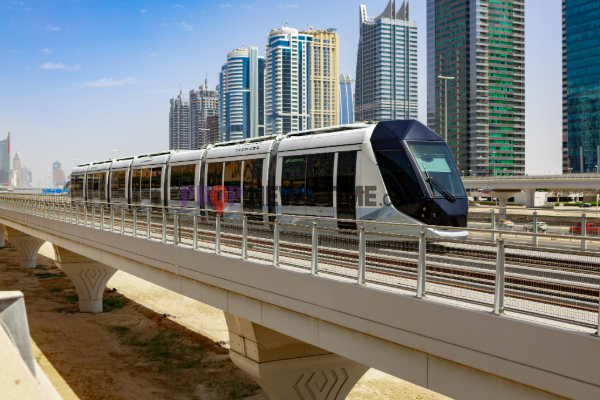
The Thane Metro, a 29-kilometre circular corridor with 22 stations, aims to transform urban mobility in one of Maharashtra's fastest-growing cities. Approved in August 2024 and costing INR 12,200 crore, the project addresses traffic congestion and pollution by offering a modern, sustainable transit solution. Managed by Maha Metro, construction began in October 2024, with completion slated for 2029. Integrated with Mumbai Metro Lines 4 and 5, the Thane Metro will serve 647,000 daily commuters, boosting connectivity, easing road congestion, and spurring economic growth. This transformative project promises a cleaner, more efficient, and connected future for Thane's residents.Read more
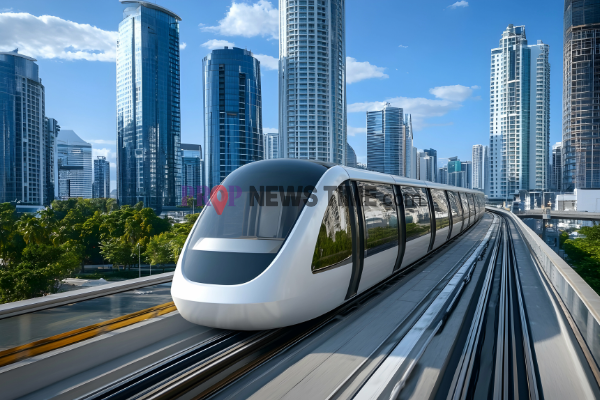
The Mumbai-bound section of the Thane Creek Bridge, which serves as a vital link between Mumbai and Navi Mumbai, is nearing completion and is expected to open by the end of February. This follows the earlier opening of the Navi Mumbai-bound section in October. The new bridge, constructed by the Maharashtra State Road Development Corporation (MSRDC), aims to ease the growing traffic congestion across the Vashi Bridge corridor, which sees approximately 64,300 vehicles daily. Upon completion, the bridge will increase the total capacity to 12 lanes, significantly improving traffic flow in the Mumbai Metropolitan Region.Read more
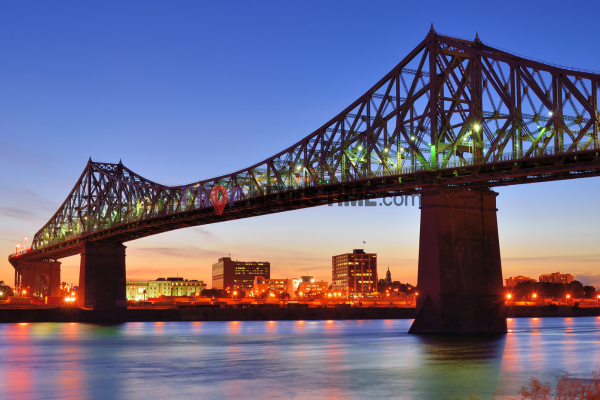
The Delhi Metro Rail Corporation (DMRC) is undertaking the construction of more than 40 kilometres of underground corridors as part of its Phase 4 expansion, which accounts for around 50% of the 86 kilometres of new lines being laid across five corridors. This includes the construction of 27 underground stations using advanced tunnelling technologies like Tunnel Boring Machines (TBMs) and the New Austrian Tunnelling Method (NATM). The project aims to navigate challenging terrains, including densely populated areas. Progress includes the completion of a two-kilometre stretch on the Magenta Line and multiple active tunnelling drives across different corridors.Read more
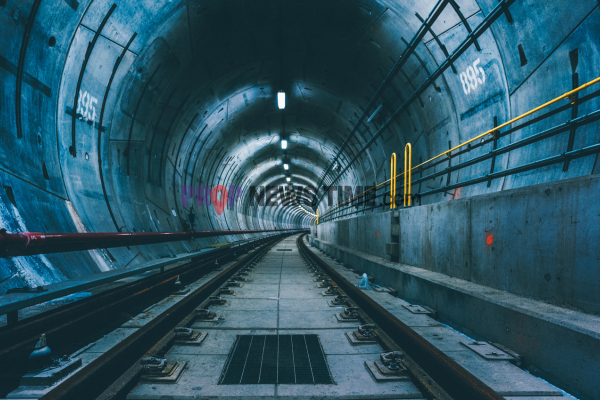
The Surat Metro, a transformative mass rapid transit system, is poised to revolutionize urban mobility in Surat, one of India's fastest-growing cities. Approved in 2019 with a budget of INR 12,020.32 crore, the project addresses traffic congestion and pollution in the booming textile and diamond hub. Phase I spans 40.35 km, comprising two corridors: the Red Line (21.61 km) and the Green Line (18.74 km), featuring 38 strategically placed stations. Co-funded by the Indian and Gujarat governments, with support from international lenders, the metro integrates modern amenities, accessibility features, and seamless connectivity. Set to serve 1.5 million daily commuters, it aims to enhance Surat's economic growth, reduce pollution, and promote sustainable, inclusive urban development.Read more
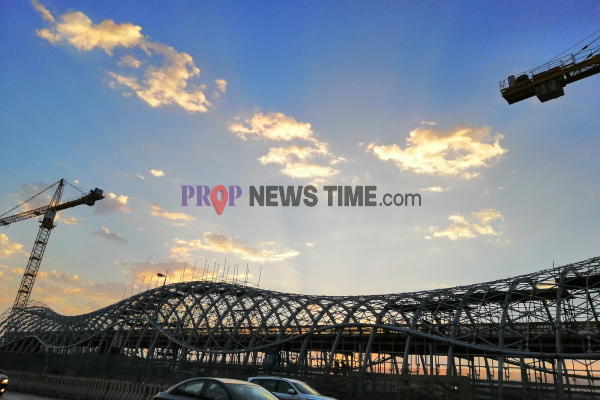
The Pune Metro is a major rapid transit initiative designed to ease travel within one of Maharashtra's most dynamic cities. Officially approved in 2016 and operational from March 2022, the system currently includes two lines spanning over 31 kilometers, serving vital residential, commercial, and industrial zones. Developed by Maharashtra Metro Rail Corporation Limited (MahaMetro), it employs modern rolling stock, automated fare collection, and eco-friendly features like regenerative braking and solar power utilization. Despite cost escalations, construction delays, and fluctuating ridership, the planned addition of a third line and future extensions signal long-term growth. The Pune Metro aspires to deliver reliable, efficient, and sustainable urban transportation.Read more
Advertisement