Advertisement






Minister for Municipal Administration and Urban Development Ponguru Narayana announced that Amaravati's development projects, including 1.18 lakh TIDCO housing units, are set for completion by June 2025. During the CRDA's 44th meeting, it was revealed that INR 102 crore has been allocated to address non-performing assets within TIDCO housing, ensuring progress on stalled units. The CRDA has also approved road projects worth INR 2,723 crore in Zones 7 and 10, with tenders to be issued by January 2025. The government has cleared developmental works totaling INR 47,288 crore, emphasizing a balanced approach to infrastructure across Andhra Pradesh's 26 districts.Read more

Launched in 2015, the Sagarmala Programme aims to modernize India's ports, enhance connectivity, and promote coastal industrialization, leveraging the country's 7,517-km coastline. With 802 projects worth INR 5.5 lakh crore planned by 2035, it has already completed 215 projects valued at INR 99,173 crore. Key initiatives include port upgrades, new greenfield ports, rail-road linkages, and Coastal Economic Zones like GIFT City and the Visakhapatnam-Chennai Industrial Corridor. The program is estimated to save INR 40,000 crore annually in logistics costs, create 40 lakh jobs, and position India as a global trade hub. Future goals include sustainable practices and smart port technologies.Read more
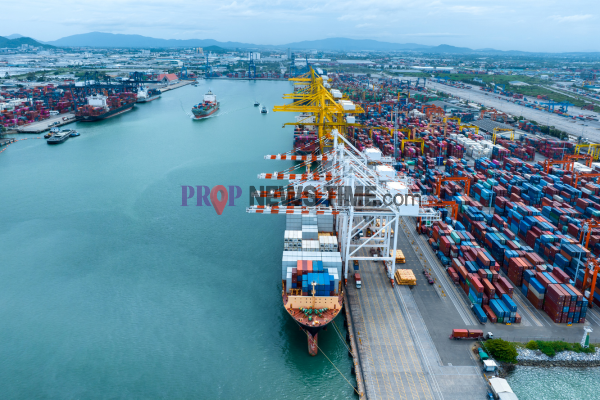
The Kanpur Metro is a public transport initiative designed to modernize commuting in Uttar Pradesh’s industrial and educational hub. Phase 1 encompasses two corridors—the 23.8 km Orange Line and the 8.6 km Blue Line—linking key residential, commercial, and industrial areas. Developed by Uttar Pradesh Metro Rail Corporation (UPMRC) with substantial funding from national and international sources, this project integrates advanced technologies, inclusive station designs, and environmental considerations to reduce traffic congestion, pollution, and travel times. With the initial priority corridor operational since December 2021, ongoing construction, and future expansions under consideration, the Kanpur Metro promises a more sustainable, efficient, and prosperous urban future.Read more
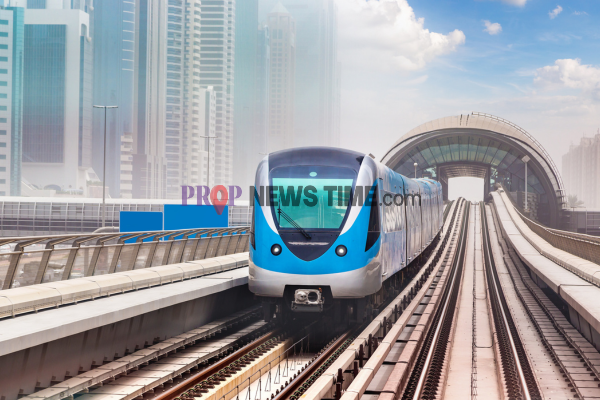
The Noida Metro’s Aqua Line, operational since January 2019, has become a cornerstone of urban transit for Noida and Greater Noida. Spanning 29.7 km with 21 stations, it connects key residential, commercial, and industrial areas, easing congestion and promoting sustainable growth. Managed by the Noida Metro Rail Corporation (NMRC), the system integrates seamlessly with the Delhi Metro network, linking major corridors through efficient interchange points. Ridership and revenue have grown steadily, prompting plans to extend the network with new corridors and stations. With modern amenities, digital ticketing, and energy-efficient operations, the Aqua Line exemplifies the potential of eco-friendly, accessible public transportation in India’s fast-growing urban centers.Read more
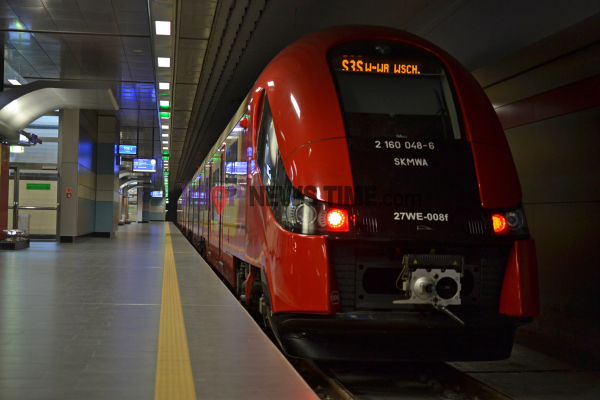
The Guwahati Metro project is an ambitious plan to introduce a modern rapid transit system to Assam's largest city. Envisioned with four corridors and 54 stations spanning over 61 kilometres, it aims to address escalating traffic congestion and offer a more efficient public transport alternative. Initial costs are estimated at around INR 16,850 crore. While the state government approved a Detailed Project Report (DPR) in 2016, subsequent policy changes led to revisions and further studies, leaving the initiative still in the planning phase as of December 2024. If successfully implemented, the Guwahati Metro could significantly improve travel experiences and support sustainable urban development.Read more
Advertisement


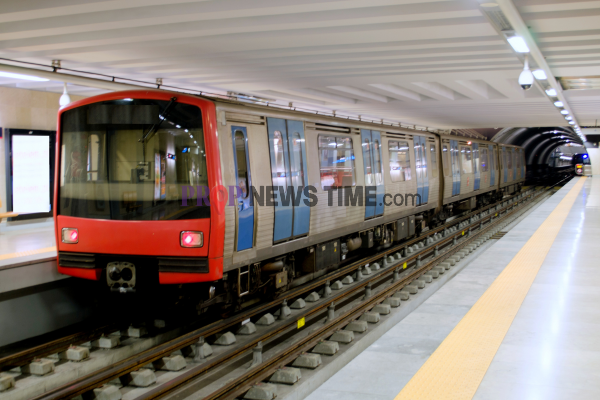
The Indore Metro is a cutting-edge mass rapid transit system currently under construction in Madhya Pradesh's largest city. Designed to alleviate traffic congestion and promote sustainable mobility, its first phase centers on the 33.53 km Yellow Line loop with 29 stations. Developed by the Madhya Pradesh Metro Rail Corporation Limited (MPMRCL), the project incorporates both elevated and underground sections, modern CBTC signaling, and air-conditioned trains for passenger comfort. Though delayed by the pandemic and logistical hurdles, trial runs have begun on a 5.9 km priority stretch. Expected to open partially in early 2024, the Indore Metro aims to revitalize urban travel, enhance connectivity, and improve quality of life for residents.Read more
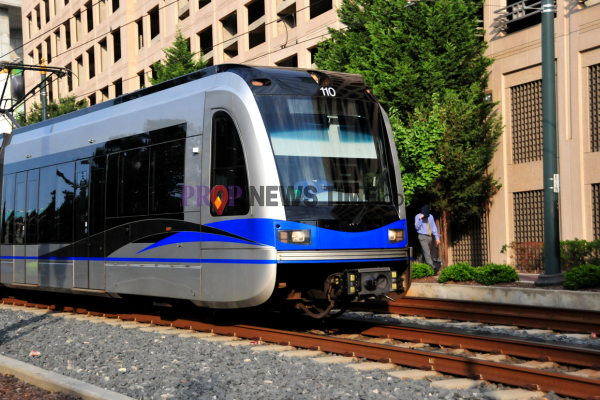
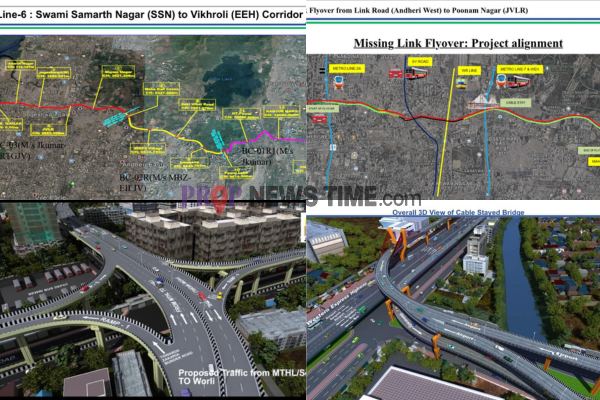
In a notable step towards expediting Mumbai's infrastructural advancements, the MMRDA, led by Commissioner Dr. Sanjay Mukherjee, collaborated with traffic authorities to secure 17 pending permissions for nine major projects. Key approvals include permissions for Metro Lines 2B, 6, 7A, and 9, the Sewri-Worli Connector, the Missing Link Flyover, and more. These permissions, facilitated by a strategic meeting with Joint Commissioner of Police (Traffic) Anil Kumbhare, mark a significant milestone for seamless project execution. The approvals will help realise the vision of #MumbaiInMinutes, enhancing the city's public transport and connectivity.Read more
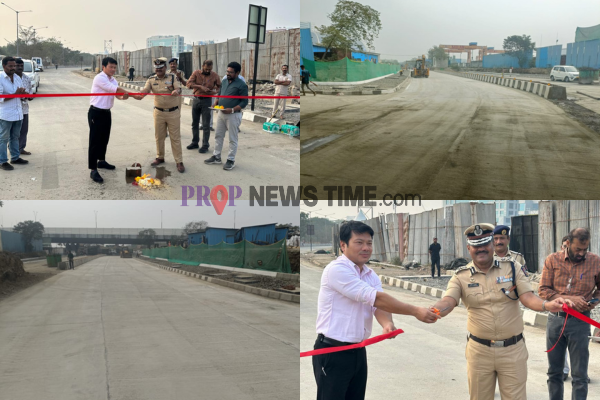
The Mumbai Metropolitan Region Development Authority (MMRDA) has opened a new 180-metre signal-free road linking the SEBI Building to Avenue-5, significantly improving traffic flow in the bustling Bandra Kurla Complex (BKC). Completed in just 3.5 months, the project reduces congestion at key junctions and provides seamless connectivity for commuters from the Eastern Express Highway (EEH). The road's initial three lanes are now operational, with the remaining three set to open soon. This development underscores MMRDA's commitment to enhancing urban mobility and supporting BKC's status as a global business hub.Read more
IT and Digital Services Minister Palanivel Thiagarajan recently announced that officials will prepare a comprehensive plan for a three-million-square-foot IT complex in Coimbatore's ELCOT SEZ within two to three months. The government is securing a real estate marketing firm to ensure top-tier development. Addressing the issue of unused land in ELCOT SEZs, he noted ongoing efforts to reclaim and reallocate these plots to active companies. Highlighting AI's rapid growth, he affirmed immediate job creation in data management while noting its long-term implications. The minister expressed optimism about India's strong position in the global software sector, crediting the nation's skilled talent.Read more
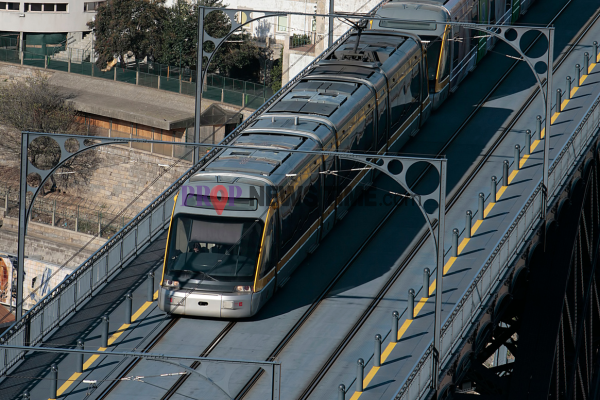
The Lucknow Metro has transformed urban mobility in Uttar Pradesh's capital, easing traffic congestion and improving public transport. Managed by UPMRC, it began with Phase 1A, a 22.88 km Red Line connecting key locations like the airport, Charbagh, and Munshipulia through 21 stations. Operational since 2019, it features modern technology, including CBTC signaling, 750 V DC power, and universal design for accessibility. The system supports high-frequency operations, offering amenities like Wi-Fi and UV sanitization. With daily ridership exceeding 1.3 lakh in 2024, the metro plans an 11.165 km East-West Corridor expansion, enhancing connectivity and supporting sustainable urban growth.Read more
Advertisement