Advertisement






The Navi Mumbai Metro is a long-anticipated rapid transit project designed to ease traffic congestion and enhance connectivity in Maharashtra's satellite city. Managed by CIDCO and Maha Metro, the first phase of Line 1 covers 11.1 km from Belapur to Pendhar, with 11 stations. Launched in November 2023, it features air-conditioned coaches, CCTV surveillance, and digital ticketing. Despite delays, the metro now serves over a million passengers, promoting sustainable, eco-friendly transit by reducing vehicle dependence and pollution. Future expansions to Khandeshwar and beyond aim to integrate key hubs like Panvel and the upcoming Navi Mumbai International Airport, boosting regional mobility.Read more
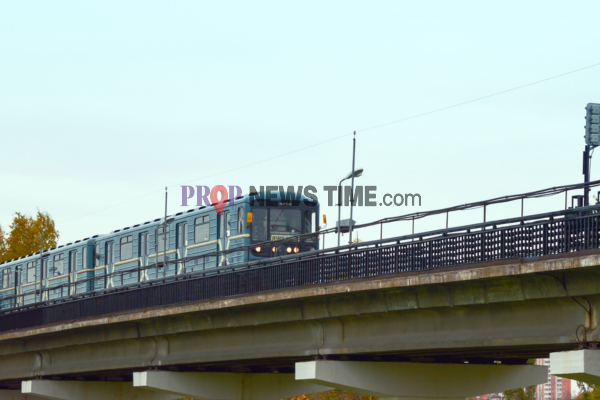
The Nashik Metro Neo introduces an innovative, affordable, and eco-friendly transit model specifically designed for mid-sized cities. Combining elements of a metro and a bus rapid transit system, it uses rubber-tyred electric coaches running on dedicated corridors, significantly reducing construction costs and complexity. Spanning over 32.5 km across two main corridors and multiple feeder routes, the system will seamlessly connect key residential, commercial, and industrial areas. With operations expected by 2025, Nashik Metro Neo aims to ease traffic congestion, lower pollution, and spur economic growth. This pioneering approach promises a more sustainable, accessible, and efficient urban transportation solution for Nashik's residents.Read more
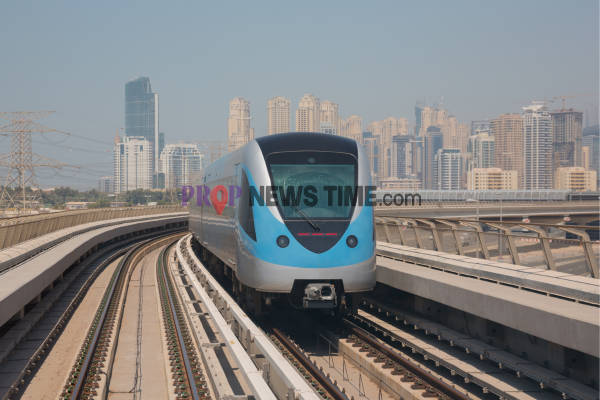
Jaipur Metro Railway Corporation (JMRC) is initiating feasibility studies for expanding its metro network, focusing on extending Line 1 and the proposed Line 2. Chief Minister Bhajan Lal Sharma has directed extensions of Line 2 to Chomu in the north and two southern routes to Jagatpura and Chaksu. The planned expansions aim to improve connectivity in growing areas, reduce traffic congestion, and promote sustainable transport. The studies will evaluate routes and alignments, with stakeholders encouraged to provide feedback. This move is poised to enhance Jaipur's urban mobility, aligning with the city's development and environmental goals.Read more
The Madurai Metro, a transformative project for Tamil Nadu's ancient city, aims to modernize urban transit and reduce traffic congestion. Spanning 31 km with 27 stations from Thirumangalam to Othakadai, the metro will feature elevated and underground sections serving key commercial, residential, and transit hubs. Estimated at INR 11,368 crore, it will be funded through state, central, and international sources. Expected to begin construction by late 2024 and operational by 2027, the project promises eco-friendly, efficient travel. With modern amenities and a focus on sustainability, the Madurai Metro will enhance connectivity, boost economic growth, and improve quality of life for residents.Read more
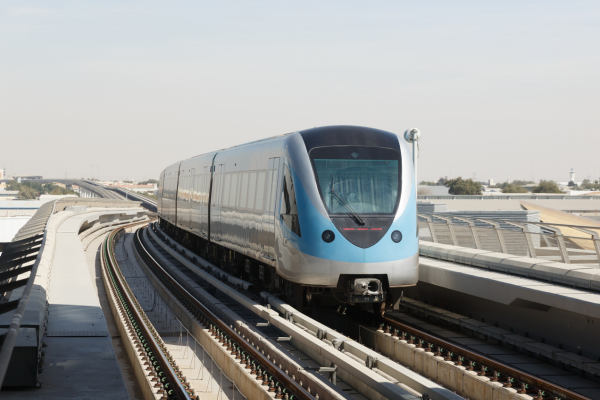
Phase III of Bengaluru's Namma Metro is underway, with the Karnataka government acquiring 26,811 sq. m. of land for elevated corridors and stations between JP Nagar 4th Phase and Mysuru Road. The project impacts 197 private properties and requires 10,892 sq. m. of government land from agencies like BBMP and BDA. The Karnataka Industrial Area Development Board (KIADB) is overseeing land acquisition for BMRCL, ensuring fair compensation for affected landowners. Spanning 32.2 km from JP Nagar to Kempapura and 12.5 km from Kadabagere to Hoshalli, Phase III aims to modernize Bengaluru's transport infrastructure and ease traffic congestion.Read more
Advertisement


Under the leadership of Chief Minister Shri Devendra Fadnavis and the guidance of Deputy Chief Minister Eknath Shinde, the Mumbai Metropolitan Region Development Authority (MMRDA) has introduced stringent guidelines to reduce dust pollution from construction activities. These measures focus on controlling dust, monitoring construction sites, managing debris, and regulating vehicle transport. They also include penalties for non-compliance. The guidelines are designed to enhance air quality and promote sustainable urban development, reflecting the MMRDA's commitment to both environmental protection and urban growth.Read more

The upcoming Navi Mumbai International Airport (NMIA) is anticipated to reduce congestion at Chhatrapati Shivaji Maharaj International Airport (CSMIA) by 2025, with operations expected to commence in May that year. The airport, featuring one terminal and one runway in its first phase, will accommodate 20 million passengers and 0.8 million tons of cargo annually. Spread across 1,160 hectares, NMIA is India's largest greenfield airport and is designed to handle 90 million passengers annually upon full completion. Developed through a public-private partnership involving Adani Airports Holdings Limited and CIDCO, the airport honours activist Dinkar Balu Patil, pivotal in shaping Navi Mumbai's development.Read more
The Chennai Metro Rail Limited (CMRL) is preparing to acquire land on Avinashi Road and Coimbatore-Sathyamangalam Road by March 2025 for its metro rail project. The first phase, covering a 34.8 km stretch, will have two corridors, connecting key locations in Coimbatore. The project is expected to be completed in three years. The metro will feature three-coach trains, capable of accommodating over 700 passengers. CMRL is aiming for minimal land acquisition by constructing elevated corridors, with plans for future extensions. The project is being developed in collaboration with local bodies and railway authorities.Read more
Transit-Oriented Development (TOD) is transforming urban planning in India, addressing challenges of rapid urbanisation and environmental degradation. Rooted in principles of walkability, connectivity, and mixed land use, TOD integrates transport and urban planning to create high-density, pedestrian-friendly communities. Pioneering cities like Delhi, Ahmedabad, and Pune have adopted TOD to reduce vehicle dependency and enhance urban accessibility. Despite regulatory and financial challenges, TOD's economic, environmental, and social benefits are evident. With global models like Hong Kong's "Rail plus Property" providing inspiration, India's TOD initiatives aim to foster inclusive, sustainable urban growth amidst rising urbanisation.Read more
In 2024, India's luxury real estate market thrived due to a strong economy, stable interest rates, and rising wealth among HNIs and UHNIs. Cities like Mumbai, Delhi, Gurugram, and Bengaluru witnessed record-breaking sales and high-profile property deals. Demand for homes priced from INR 10 crore to INR 80 crore soared, driven by factors like lifestyle upgrades, exclusivity, and capital appreciation. Developers focused on premium amenities and prime locations to cater to affluent buyers. With the market shifting towards gated communities and modern apartments, the luxury segment emerged as a symbol of status. As optimism about the economy and wealth grows, luxury real estate remains a lucrative and stable investment.Read more

Advertisement





