Advertisement






MHADA's ninth Lokshahi Din highlighted its commitment to efficient governance, with Vice President and CEO Sanjeev Jaiswal, IAS, resolving five long-pending cases in record time. These disputes ranged from flat regularisation and inheritance issues to excessive charges and possession delays. Lokshahi Din, introduced to streamline public grievance redressal, has seen MHADA resolve 75 out of 81 cases across nine hearings. This citizen-focused initiative reflects MHADA's legacy of providing affordable housing and transparent governance while showcasing the proactive leadership of Mr. Jaiswal in addressing public concerns effectively and promptly.Read more

The Char Dham Railway Project, a INR 43,292 crore initiative, aims to improve rail access to Yamunotri, Gangotri, Kedarnath, and Badrinath, replacing treacherous road journeys. Covering 327 km, it spans Dehradun, Tehri Garhwal, Pauri Garhwal, Rudraprayag, and Chamoli. The Rishikesh-Karnaprayag feeder line, with 84% tunneling, is set for completion by December 2025. This project will boost pilgrimage tourism, accelerate economic growth, and strengthen India's border security by improving military logistics in the Himalayan region. Despite environmental and engineering challenges, it marks a significant step toward safer, faster, and sustainable travel in Uttarakhand.Read more
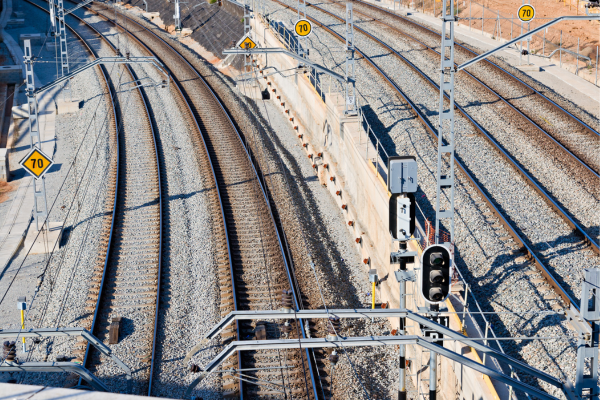
The INR 75,000 crore Great Nicobar Island Development Project is set to position the Andaman and Nicobar Islands as a key maritime and logistics hub. Anchored by the International Container Transshipment Terminal (ICTT) at Galathea Bay, capable of handling 14.2 million TEUs, the project also includes an international airport, a gas and solar power plant, and greenfield coastal cities. While expected to reduce India's reliance on foreign ports and boost regional trade, environmental concerns remain due to large-scale deforestation and potential impacts on indigenous communities. Phase 1 of the ICTT is slated for completion by 2028.Read more
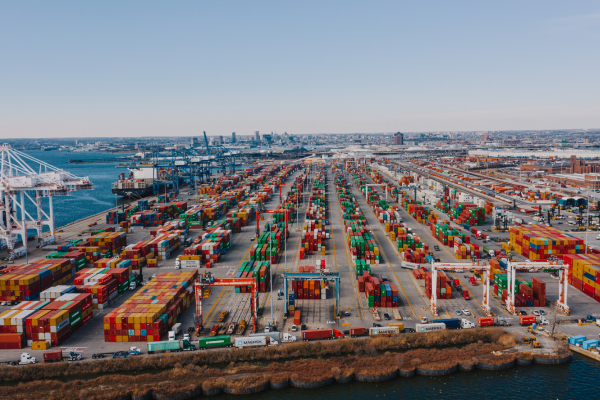
The Maharashtra Housing and Area Development Authority (MHADA) has launched a biometric survey in Mumbai's transit camps to verify the residency status of occupants. The initiative aims to distinguish between eligible and unauthorised residents using Aadhaar-based e-KYC authentication. The survey, which commenced earlier this week at Sahakar Nagar, Chembur, will expand to other transit camps, including Bimbisar Nagar, Goregaon (East). The classification of residents into three categories-original tenants, legally transferred occupants, and unauthorised residents-will help streamline rehabilitation efforts. This marks the second such survey since 2010, when MHADA identified over 8,000 unauthorised occupants.Read more

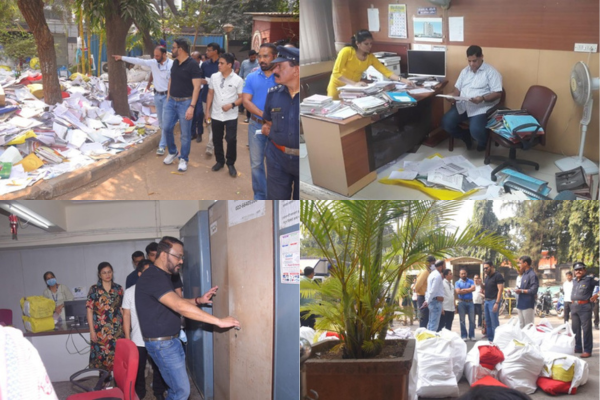
As part of Maharashtra's 100-day action plan, MHADA has launched a wide-ranging initiative to improve administrative efficiency, citizen services, and environmental sustainability. Under the leadership of VP & CEO Sanjeev Jaiswal, the organisation carried out a large-scale cleanliness and record classification drive, actively engaging over 700 employees. The initiative also includes introducing citizen-centric measures, enhancing digital services, and promoting eco-friendly waste disposal practices. By setting a benchmark for public-sector reforms, MHADA aims to improve its public image, employee morale, and operational efficiency, creating a replicable model for other government organisations.Read more
Advertisement


The Uttarakhand Metro is a transformative 73-kilometre light rapid transit system designed to ease traffic congestion and improve connectivity between Dehradun, Haridwar, and Rishikesh. With two primary corridors, the project will feature modern trains, eco-friendly technology, and state-of-the-art amenities, aiming for completion by 2026. This ambitious INR 40,150 crore project, funded through a collaboration between the central and state governments, will also serve as a catalyst for economic growth, boosting real estate development and business activities along its route. The Uttarakhand Metro promises a cleaner, faster, and more sustainable transportation solution for residents and visitors alike.Read more
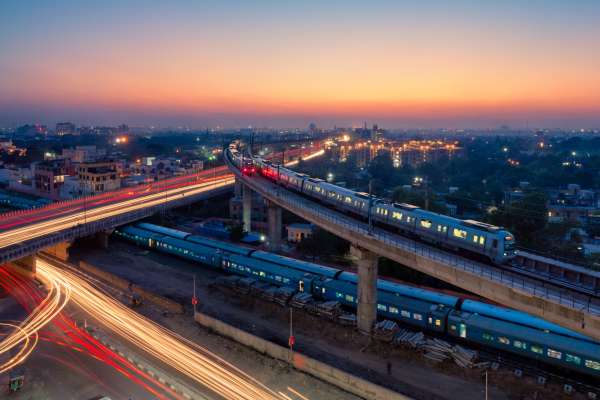
India's rapid urbanization has led to a severe shortage of affordable housing. Adaptive reuse, which repurposes old buildings for modern use, presents a sustainable solution by integrating heritage conservation with urban renewal. Projects like Mumbai's Bhendi Bazaar Redevelopment and Vadodara's Alembic Industrial Heritage Developmentshowcase its potential. The former is replacing outdated structures with modern towers while ensuring free housing for residents, while the latter transformed a 113-year-old factory into an art and cultural hub. Despite benefits like environmental conservation, economic revitalization, and cultural preservation, challenges such as structural constraints, high costs, and regulatory hurdles persist. Government incentives, public-private partnerships, and streamlined approvals are essential for expanding adaptive reuse projects in India.Read more

The Eastern Peripheral Expressway (EPE), a 135-km six-lane corridor encircling the NCR, diverts over 50,000 non-Delhi-bound vehicles daily, reducing pollution by 27%. Officially inaugurated in May 2018 at an investment of INR 11,000 crore, it features electronic toll collection, weigh-in-motion sensors, and solar-powered lighting. Environmental measures include 250,000 trees and rainwater harvesting every 500 meters. With seamless connectivity via interchanges, flyovers, and underpasses, EPE has boosted real estate and industrial growth in Kundli, Palwal, and Baghpat, marking a significant step in India's sustainable infrastructure development.Read more
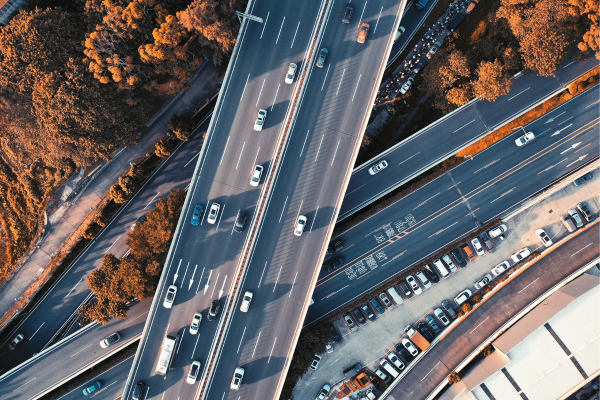
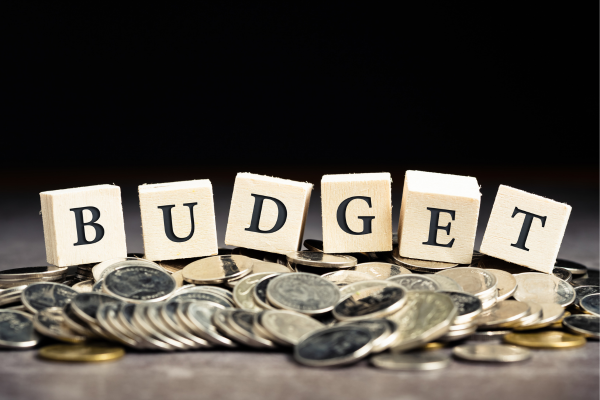
The Brihanmumbai Municipal Corporation (BMC) has proposed a INR 74,427.41 crore budget for 2025-26, marking a 14% increase from the previous year. With infrastructure at its core, the budget allocates significant funds to projects like the Coastal Road, Goregaon-Mulund Link Road, and major bridge reconstructions. Revenue generation strategies include land monetisation, increased FSI premiums, and enhanced property tax collections. Financial discipline remains a priority, with digitisation and PPP models for asset management. Additionally, pedestrian-friendly initiatives, parking solutions, and urban transformation projects like the 'Mumbai Eye' are key highlights, reinforcing BMC's vision for a sustainable and connected city.Read more
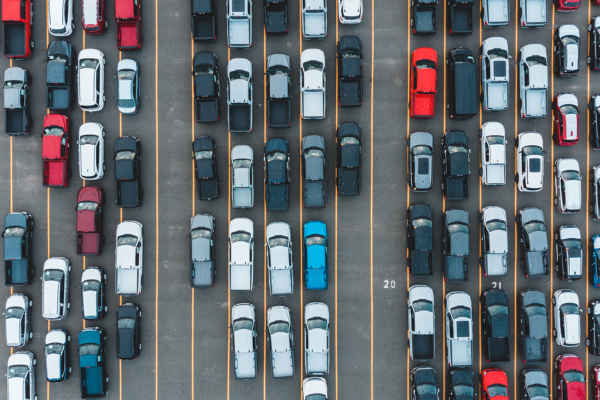
The Brihanmumbai Municipal Corporation (BMC) is considering converting an unused cycling track along Flank Road into a Pay and Park facility to address traffic congestion near Shanmukhananda Hall, Sion. With 2,700+ attendees per event, the hall generates parking demand for 300 cars, leading to illegal parking, safety hazards, and resident complaints. BMC's multi-level robotic parking projects in Mumbadevi, Matunga, and Bhulabhai Desai Road have faced technical and public resistance, causing cancellations. As Mumbai's parking crisis worsens, BMC must overcome logistical and financial hurdles to implement sustainable parking solutions for the city's growing urban needs.Read more
Advertisement





