Advertisement






India's real estate market is experiencing a boom post-COVID, with rising demand and pricing. Builders are leveraging celebrity purchases in metro cities like Mumbai, Bengaluru, and Delhi to attract buyers, touting these deals as unique selling points. The allure of living near stars stems from a false sense of familiarity and perceived social advantage, fuelled by public access to their personal lives. However, stars often bring challenges: heightened security, paparazzi, large entourages, and frequent visitors. While living near a celebrity may seem appealing, buyers should weigh the potential drawbacks of such proximity, valuing peace and community well-being over other perceived advantages.Read more
"Slums" broadly refers to any unauthorized and illegal settlement in urban areas. In India, squatters or slum dwellers eventually gain legal rights to their land. These rights were created to protect the poor while creating affordable housing options. However, instead of curbing illegal encroachment and the proliferation of slums, over time these rights have been manipulated by middlemen to exploit the system while perpetuating the cycle of poverty. Thus creating a skewed environment for the average taxpayer.Read more

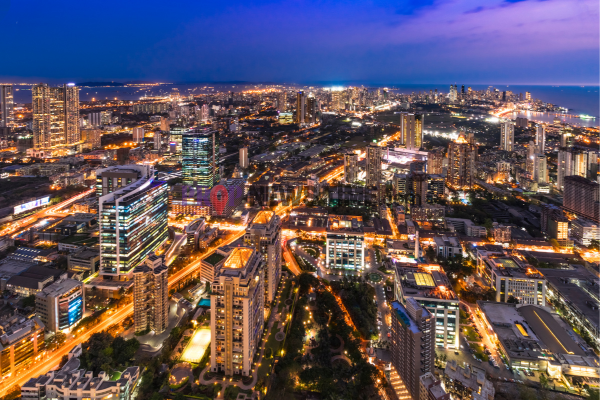
Construction of residential skyscrapers has surged globally over the last decade due to rapid urbanisation and land scarcity. Developing cities like Mumbai are at the helm of this evolution, with over 800 high-rise structures already in use and another 200 currently under construction. While skyscrapers are seen as a symbol of progress and luxury by many, the reality is far more complex. These towering structures often compromise comfort, safety, and sustainability. They require more resources to build and maintain, and their environmental impact is significant. They are unsuited for Indian weather and infrastructure and can reduce access to natural ventilation and sunlight if not planned well. By focusing on low-rise, high-density developments, urban planners and developers can offer a better quality of life and a more sustainable future for residents.Read more

Advertisement


The luxury residential market in India is rapidly expanding, driven by increased disposable income, urbanization, and hybrid working trends. Its total market share has risen from 7 percent in 2019 to 21 percent in 2024. However, defining "luxury" remains subjective, often based on size, amenities, or market value. True luxury extends beyond an apartment and complex to include a larger ecosystem that provides its residents with a harmonious and high quality of life. Prestigious neighborhoods such as Malabar Hills or Lutyens are popular because they offer this superior enviornment. However, today several luxury projects are cropping up in micro localities that are less than ideal. While builders aim to create a luxury oasis within the project to make up for the lack of surroundings, without a larger supportive ecosystem, the long-term appeal of such luxury projects is up for debate.Read more

The Union Budget 2024 introduced significant changes to the Capital Gains tax structure, sparking mixed reactions. To address concerns, the Finance Ministry amended the Finance Bill 2024, allowing resident individuals and HUFs to "grandfather" long-term capital gains on land and buildings for property purchases made before July 23, 2024. In any investment proposal there are three critical factors that come into play: risk, inflation and taxation. Comparison between investments is usually done on a pre-tax, risk adjusted return basis rather than on nominal rates of return. The aspect of taxation of an investment, while critical, should be viewed and applied with caution. In any medium to long term investment the stability of the current tax rates cannot be taken for granted and therefore taking an investment decision driven solely by the current tax structures may become misleading and diversionary.Read more

Advertisement