Advertisement






Three key factors impact real estate business cycles: market sentiment, wealth perception, and disposable income. If the market sentiment is positive, disposable income is rising and wealth is appreciating, then its a shoo-in and we would be witnessing a boom. If two are positive, the market stays stable, but with only one, challenges arise. India's housing market saw record sales in H1 2024, but early 2025 faces economic uncertainties. A stock market downturn has eroded wealth and weakened confidence, signalling bearish sentiment. While tax incentives and repo rate cuts support home purchases, only one of the three key factors is in the green, suggesting that real estate demand may remain sluggish until there is an improvement in market stability and financial confidence.Read more

Should residents bear the cost of amenities they do not use? Modern residential complexes increasingly offer extensive facilities, yet their construction and maintenance expenses are typically distributed equally among all residents, regardless of usage. This approach raises concerns of fairness, particularly for those who derive little to no benefit from such amenities. A more equitable solution lies in a usage-based model, where costs are allocated in proportion to actual consumption. This ensures sustainability, fosters responsible usage, and prevents unnecessary financial burden on non-users. Prospective homebuyers must carefully assess whether long-term costs align with their lifestyle rather than being swayed by amenities’ initial appeal.Read more
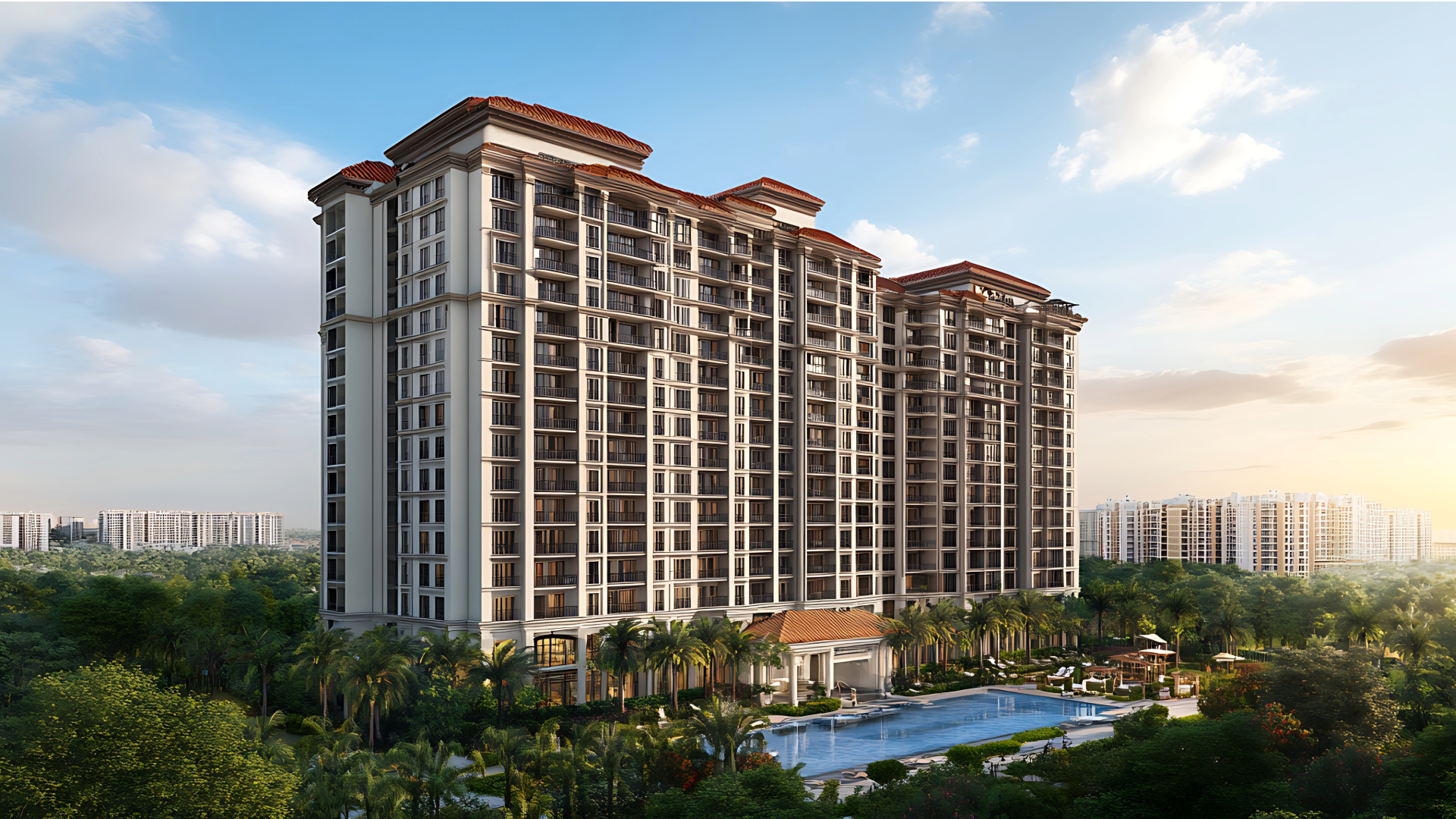
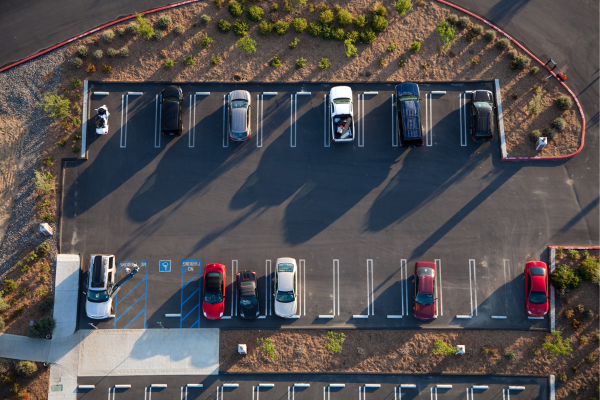
India has experienced a dramatic increase in vehicle ownership, rising from 7 million cars in the early 2000s to 30 million by 2020, with projections suggesting up to 60 million by 2030. This surge has prompted the evolution of parking solutions, shifting from traditional garages to advanced mechanised systems. However, these innovations often compromise user convenience and accessibility, particularly in luxury residential complexes. Enclosed garages remain the gold standard, while enclosed and open parking spaces with direct access are preferable to fully automated systems, which are costly and inconvenient. As electric vehicles (EVs) gain popularity, parking solutions that can adapt easily to future needs will hold greater value than mechanised alternatives reliant on technology.Read more
The evolution of real estate promotion highlights the need for focused marketing strategies over traditional mass communication and generalized digital campaigns. While analog methods like billboards and digital media offer wide reach, they often result in wasted effort due to their "machine gun" approach, creating either a cacophony or white noise. Instead, real estate advertisers should target niche audiences through property expos, seminars, real estate-focused platforms, and influencer networks, such as architects or mortgage lenders, who interact closely with potential buyers. By aligning relevant messaging with receptive audiences, businesses can enhance brand awareness, drive meaningful engagement, and optimize conversions in the real estate sector.Read more

An often overlooked aspect of any building is the vertical transportation systems it offers. It is seldom brought up when debating the merits and demerits of a property. Elevators, escalators, staircases, and moving walkways are some examples of vertical transportation found in residential and commercial buildings. As urban cities in India witness a rapid surge in high-rise constructions, it becomes crucial to understand the mechanics of vertical transportation systems within buildings. While educating users on basic practices-such as correctly operating lift buttons or avoiding regular lifts during a fire-would be ideal, the onus lies on builders and developers to implement essential safety measures.Read more

Advertisement


Full disclosure is integral to any investment. More so with real estate where the investment is significant. Wilfully withholding information during negotiations is illegal and immoral. Sellers should avoid it at all costs. Instead, they must disclose all vital information concerning the property during the listing itself. Brokers must ensure they are familiar with all property-related details and can guide buyers on the potential shortcomings if any. As a buyer, we must become smart and vigilant. It should become common practice to demand accountability from the broker and accurate information from the seller. When the demand is overwhelming, the supply will have to follow.Read more

A buyer derives value from a property based on how well it satisfies his physical, emotional and financial needs. Whereas a seller's price is based on perception and prevalent market conditions. When the gap between the derived value and price paid is immense, there is buyer's remorse. Why does this happen so often? Contrary to popular belief, it does not occur on account of an elaborate con game, but rather a flawed approach to evaluating a property. As a buyer, you suffer when you disregard your reality and make an impulsive decision based solely on perception.Read more

Technology has made access to information quick and easy. Even so, most people fail do research or conduct a thorough due diligence before making big investment decisions. For any real estate investment, the technical, legal and commercial aspects of a property should be well understood. It is wise to use the services of structural consultants, lawyers and financial advisors to ensure you are making an informed decision. Research and due diligence is a necessity, not an indulgence. When you undermine its importance you not only risk your present but also the future of those inheriting your investment.Read more

Navigating India's real estate market involves complexities such as dealing with varied definitions of property size. Terms like carpet area, built-up area, and super built-up area are often confused, causing buyer uncertainty. The RERA Act 2016 defines carpet area as the net usable floor area, excluding external walls but including internal walls. Built-up area adds external walls and other structures, while super built-up area includes shared spaces. Despite RERA's emphasis on carpet area disclosure, sale and resale agreements often use other metrics, necessitating caution. Buyers should rely on RERA carpet area for comparisons, factoring in balconies, terraces, and parking for accurate valuation.Read more

Real estate in India is heavily advertised on both online and offline platforms. These advertisements however offer little to no information that is useful or critical to our decision-making process. Instead, they focus on common amenities, the buildings’ exteriors, and general connectivity, leaving out vital information about the micro locality, local environment, and existing gentry. Real estate is primarily about location because it weighs heavily on the quality of life we can hope to have. Therefore, information about the location should be an integral part of the advertisement pitch, rather than just a side note.Read more
Advertisement





