Advertisement






In commercial real estate, value is no longer defined by space alone but by trust built through consistent performance. This article highlights how facility management plays a central role in creating operational reliability that tenants and investors depend on daily. From stable indoor air quality and seamless technology to proactive maintenance, security and sustainability practices, FM teams quietly ensure buildings deliver on their promises. These behind-the-scenes efforts influence tenant satisfaction, lease renewals and long-term asset value. As offices become smarter and more ESG-focused, trust has emerged as a key differentiator. Ultimately, a lease represents confidence in how a building is run, making facility management a critical driver of modern commercial real estate success.Read more
Mumbai’s rapid infrastructure expansion—driven by new metro routes and the evolving coastal road network—is reshaping suburban real estate. Faster travel across the city, with commute times on key stretches dropping from 90 to about 30 minutes, has boosted demand in areas like Andheri, Goregaon, Chembur and the Bandra–Khar–Santacruz belt. Improved accessibility, better lifestyle amenities and stronger investment prospects are drawing more homebuyers and professionals to the suburbs. Real estate near metro stations is commanding a premium, while the coastal road is unlocking new development potential along the western waterfront. Together, these projects are fuelling transit-oriented growth, elevating liveability and supporting Mumbai’s long-term urban development vision.Read more

Uttarakhand’s economic landscape is undergoing a transformation that would have been hard to anticipate a decade ago. The Haridwar–Kashipur stretch, traditionally associated with pilgrimage movement and seasonal tourism, is now drawing attention from manufacturers, logistics operators, and a new category of homebuyers responding to the region’s rising prominence. This shift has not been triggered by a single reform or headline-making announcement, but by the cumulative impact of supportive state measures, improved connectivity to northern markets, and a natural and social environment conducive to long-term investment.Read more

The Sion-Dharavi region, historically recognised for its dense population and bustling informal industries, is now advancing through one of Mumbai's most ambitious urban renewal efforts. With the Dharavi Redevelopment Project progressing in phases and Sion's connectivity strengthened via major road corridors and upcoming metro links, the locality is evolving into a high-value growth zone. Market expectations suggest a rise in residential and commercial absorption driven by rehabilitated families, new homebuyers, retailers, and SMEs. Urban experts, however, have indicated that the long-term success of the redevelopment will depend on sensitive execution that safeguards livelihoods while enabling large-scale modernisation.Read more
Mumbai's ongoing infrastructure overhaul has significantly altered suburban growth patterns, with metro corridors and coastal road projects reshaping daily mobility and influencing real estate activity across the city. Over the past two years, the rapid expansion of the metro network-most notably Lines 2A, 7, and the recently added Aqua underground corridor-has sharply reduced commuting time between the western suburbs and South Mumbai. Improved accessibility has attracted professionals and families to suburbs such as Andheri, Goregaon, Chembur, and the Bandra-Khar-Santacruz belt, fuelling demand, capital appreciation, and enhanced lifestyle choices in emerging transit-oriented districts.Read more
Advertisement


Panvel is fast becoming the strategic launchpad for Mumbai 3.0, evolving from a peripheral township into a central urban node shaped by major infrastructure investments. Anchored by the upcoming Navi Mumbai International Airport (NMIA) and the vast Karnala-Sai-Chirner New Town, the region is witnessing a shift in development momentum. Improved access through Atal Setu and multiple expressways, along with upcoming metro lines, has positioned Panvel as a highly connected micro-market. With over INR 56,000 crore earmarked for infrastructure and large developers executing city-scale projects, Panvel is transitioning into a structured, future-ready extension of the Mumbai Metropolitan Region.Read more
The luxury homebuyer of today has begun to prioritise sustainability as much as aesthetics, prompting developers to embed eco-friendly systems and future-ready technologies into high-end projects. Rising awareness about carbon footprints has pushed green homes from niche preferences to mainstream expectations among affluent buyers. Developers have increasingly incorporated solar installations, rainwater harvesting, reclaimed materials, biophilic architecture, and energy-efficient systems to meet evolving standards. With certifications such as LEED and IGBC Gold becoming modern markers of luxury, premium homes now align wellness, technology, environmental responsibility, and long-term value in a single offering.Read more

Indian retail real estate is moving into a transformation phase, driven by rapid urbanisation, surging retail space demand and a clear shift towards sustainability and smart technology. With India's green building footprint now exceeding 13 billion sq. ft., developers are increasingly viewing energy-efficient design as a direct contributor to profitability and long-term asset value. Simultaneously, the emergence of IoT-based systems, advanced analytics and intelligent retail infrastructure is redefining operational models across malls and retail parks. Industry leaders believe the future will rely on low-impact, high-experience environments where sustainability and technology work hand in hand.Read more
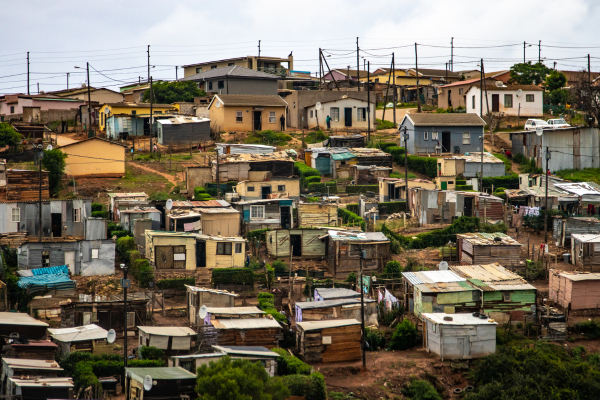
A quiet shift is unfolding across Mumbai as the Permanent Transit Camp (PTC) model gains momentum in unlocking long-stalled slum redevelopment. Traditionally, projects in areas where sale rates could not exceed INR 20,000 per sq ft struggled to break even due to rising construction costs, unstable negotiations and heavy premium payouts. The PTC framework bypasses these bottlenecks by shifting eligible slum households to a separate, fully certified permanent structure, freeing the original land for unencumbered development. With third-party funding shouldering all expenses and developers earning fixed fees without investment exposure, the model is reshaping both market dynamics and neighbourhood conditions.Read more
Mumbai's evolving skyline reflects a major shift driven by widespread redevelopment across its prominent western suburbs. Ageing, low-rise buildings are gradually giving way to contemporary luxury homes designed for long-term value creation. Homebuyers who once viewed luxury primarily as a lifestyle choice now see redeveloped properties as instruments of wealth preservation and generational security. With land scarcity, enhanced amenities, better infrastructure, and rising demand for safer and future-ready homes, redevelopment has become central to reshaping the city's urban fabric. This renewed appeal is supported by improved policies, growing investor confidence, and a broader focus on sustainable neighbourhood transformation.Read more

Advertisement