Advertisement






The Madras High Court has granted permission for the Tamil Nadu government to proceed with its corruption investigation into the Smart City projects in Chennai. The court modified its earlier order and stated that the state cannot be barred from taking action based on its preliminary report. The case, initiated by anti-corruption organization Arappor Iyakkam, alleges corruption in the projects during the AIADMK regime. The investigation was delayed due to a court order in 2020. The decision now allows the government to delve into the allegations and potentially hold those involved accountable.Read more
Land prices in Visakhapatnam are soaring, threatening the availability of affordable housing. Notable areas like Kurmannapalem and Anandapuram have seen up to 50% increases in real estate prices. This hike, linked to the proposed executive capital relocation, is expected to negatively impact the property market. CREDAI's Bayana Srinivasa Rao fears this may deter potential middle-class buyers. To counter this, the VMRDA is developing Middle-Income Group (MIG) layouts, offering fixed-price plots allocated via lottery.Read more
The Yamuna Expressway Industrial Development Authority (YEIDA) has questioned Jaiprakash Associates Ltd's (JAL) plan to settle dues and reclaim 1,000 hectares of land. JAL proposed selling land to raise funds, but YEIDA raised concerns about the land being mortgaged. Discrepancies exist regarding the outstanding amount, with YEIDA claiming Rs 3,621 crore while JAL insists on Rs 1,483 crore. The next court hearing is scheduled for July 13, where JAL must address the land encumbrance. The resolution will determine the fate of the Sports City project on the Yamuna Expressway.Read more

To address grievances regarding registration documents and allotment orders for housing units, the Tamil Nadu Housing Board (TNHB) has set up petition boxes in its offices across the state. Beneficiaries can submit their complaints for a one-month period, after which a special cell in Chennai will review and provide solutions. This initiative aims to expedite the resolution process and ensure the rightful ownership of housing units. It offers residents of five districts, including Trichy, an opportunity to voice their concerns and seek timely resolutions, emphasizing the government's commitment to addressing housing-related issues.Read more
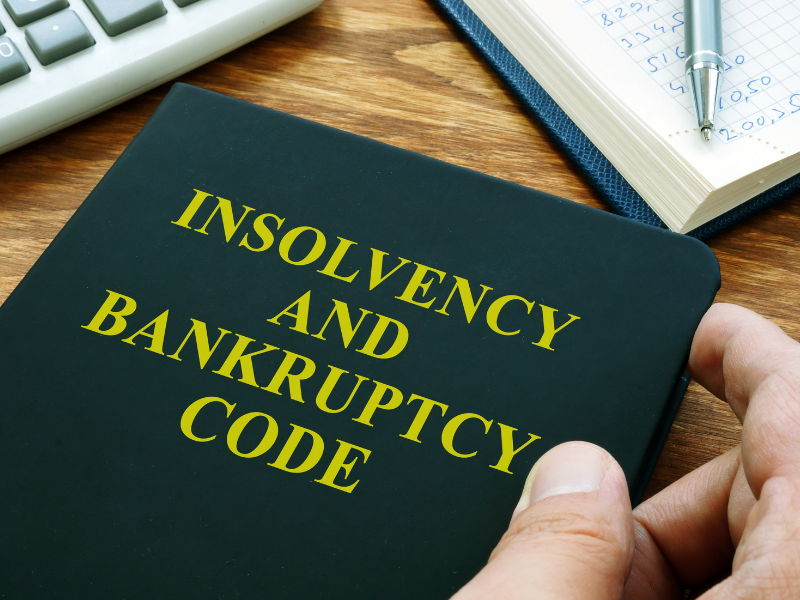
The government of India is considering amendments to the insolvency law to enable "customized resolutions" for bankrupt residential real estate projects. The aim is to accelerate the delivery of flats to homebuyers in distressed housing projects by tailoring the resolution process to the specific nature of each project. The proposed changes seek to address the unique challenges of the real estate sector while adhering to the fundamental structure of the Insolvency and Bankruptcy Code. Clear guidelines and regulations are essential to ensure transparency and accountability in these customized resolutions, striking a balance between flexibility and accountability.Read more
Advertisement


The Real Estate (Regulation and Development) Act, 2016 will now include new construction projects with six or more flats on 3-cottah plots. Previously, only projects with eight or more flats on larger plots fell under its jurisdiction. This move aims to protect small homebuyers who often face issues such as delays, non-completion, multiple sales of the same unit, and poor construction quality. By regulating these projects, the authorities seek to bring transparency and accountability to the real estate sector, ensuring consumer protection and resolving grievances within the regulatory framework.Read more

UP-RERA is facing public backlash for its perceived sluggish resolution of disputes. A recent report to the Allahabad High Court revealed that UP-RERA has issued RCs totaling Rs 2,125 crore since 2017, but only Rs 504 crore has been recovered. Social media is awash with distressed homebuyers awaiting refunds, despite holding valid recovery certificates. UP-RERA Chairperson Rajive Kumar cited significant recent recoveries and an increased post-pandemic administrative effort. However, it remains to be seen if these measures can restore public confidence and expedite the recovery of the aggrieved parties' investments.Read more

The Telangana High Court has ruled in favor of public access rights in a dispute involving the restricted access to the Shadnagar gated community. The Court has authorized municipal officials to demolish a wall built by a housing developer, which had obstructed public passage. The ruling, which dismissed an appeal by the township's residents, reinforces that the interests of private gated communities should not supersede public right of way, and developers must ensure complete transparency in their dealings.Read more
The Ahmedabad Municipal Corporation (AMC) is considering deviating from its regulations on land deduction for urban planning schemes to assist select property owners in the Shahwadi-Behrampura area. The proposed town planning (TP) Scheme 32 would deduct only 25 percent of land from private plot owners, instead of the required 40 percent. This reduction would result in a smaller area for public utilization and an estimated loss of land worth approximately Rs 1,700 crore for the AMC. The decision to deviate from the regulations has raised concerns and may lead to disputes among landowners. The TP Scheme mechanism is a well-established part of Gujarat's urban planning framework.Read more
Jammu and Kashmir has been allocated an additional 1.99 lakh houses under the Pradhan Mantri Awaas Yojna-Gramin (PMAY-G) scheme, the highest allocation among all Union Territories in India. This move aims to address the housing needs of the region and fulfil the aspirations of countless families. The allocation will significantly benefit those on the waiting list, providing them with permanent housing and contributing to socio-economic development. The implementation of the PMAY-G scheme in Jammu and Kashmir reflects the government's commitment to inclusive development and bridging urban-rural disparities.Read more
Advertisement