Advertisement






Shanghai has introduced tax reductions on real estate transactions, including the removal of distinctions between property types for tax purposes and exemptions from value-added tax (VAT) for properties held for at least two years. The measures aim to revitalize its struggling property market amid nationwide efforts to boost demand and ease developers' financial pressures. Despite slight gains in new home prices, resale prices have continued to fall. While these changes have sparked widespread discussion on social media, many remain skeptical about their impact. Experts, including JLL's Bruce Pang, argue that sustainable recovery requires addressing economic growth expectations and housing market stability.Read more

Australia's housing affordability report highlights worsening conditions, with median household income rising 2.8% in the past year, while dwelling values grew 8.5% and rents surged 9.6%. By September 2024, only 10% of the housing market will be affordable for median-income households, compared to 40% in March 2022. High-income earners also face limited options, intensifying pressure on cheaper housing segments. Additionally, the national median rental rate has reached a record 33% of median household income, exacerbating affordability challenges.Read more

Sustainability will take centre stage for second home buyers in Spain in 2025, driven by heightened awareness of climate change, according to Taylor Wimpey Espana. Buyers increasingly demand energy-efficient systems, renewable energy sources, and eco-friendly materials. Governments and developers are also prioritising stricter environmental regulations. Additionally, affordability challenges in major cities are pushing buyers toward suburban and secondary markets, which offer more space and value. These areas cater particularly to remote workers seeking larger homes with dedicated office spaces and proximity to nature. In response, Taylor Wimpey Espana is launching new projects across prime locations, blending luxury living with sustainability.Read more

Country Garden, once China's top real estate developer, has submitted preliminary terms for an offshore debt restructuring plan to avoid liquidation. The company defaulted on USD 11 billion in offshore bonds last year and faces a crucial Hong Kong court hearing on January 20, 2025. The proposal includes revised cash flow projections, weaker than prior estimates, and options like haircuts for bondholders and debt-to-equity swaps. This reflects broader struggles in China's property sector, with declining investments and new home prices. Securing creditor support is critical, as the outcome may set a precedent for other developers amid a faltering recovery in the industry.Read more

CapitaLand Investment, a major real estate investment manager from Singapore, is acquiring a 40% stake in SC Capital Partners Group (SCCP) for USD 209 million. This deal will increase CapitaLand's assets under management by USD 11 billion, with a significant portion of SCCP's portfolio located in Japan, which is a key growth market for CapitaLand. The acquisition will strengthen CapitaLand's presence in Asia-Pacific and expand its capabilities as a global real estate manager. CapitaLand plans to buy the remaining 60% of SCCP over the next five years. The deal is expected to be completed by the first quarter of 2025.Read more

Advertisement


Single-family home construction in the U.S. dropped 6.9% in October 2024 to an annualized rate of 970,000 units, affected by Hurricanes Helene and Milton in the South and persistently high mortgage rates. While multifamily starts rose 9.8%, overall housing starts fell 3.1% month-on-month. New housing supply remains constrained, with inventory levels similar to 2008, as rising borrowing costs continue to challenge affordability. Builders are prioritizing clearing backlogs, but experts warn that high rates may limit recovery, keeping the housing market under pressure in the near term.Read more

Louis Vuitton's New York City flagship store is under renovation, concealed by a facade resembling its iconic trunks, crafted with detailed elements like engraved rivets and chrome hardware. A nearby temporary store at 6 East 57th Street offers four retail floors, a chocolate shop, and the brand�s first U.S. cafe. The space features warm interiors and a 16-metre atrium showcasing trunk-inspired sculptures by OMA's Shohei Shigematsu, clad in signature Louis Vuitton materials. This transition blends innovation with tradition, maintaining Louis Vuitton's heritage and strong brand identity while the flagship store undergoes a renovation expected to double its size.Read more

Ras Al Khaimah (RAK) is rapidly expanding its branded residential developments, with 16 projects completed or underway and plans to add 5,600 branded units by 2029, forming 63% of all residential units on Marjan Island. Branded properties, affiliated with luxury hotel and non-hotel brands like Waldorf Astoria, Ritz Carlton, and Aston Martin, command prices 50% higher than non-branded residences. These developments cater to high-net-worth individuals seeking luxury, convenience, and exclusivity. RAK's natural beauty, year-round appeal, and commitment to luxury living are attracting global investors, positioning it as a leader in branded real estate and a premier destination for affluent buyers.Read more
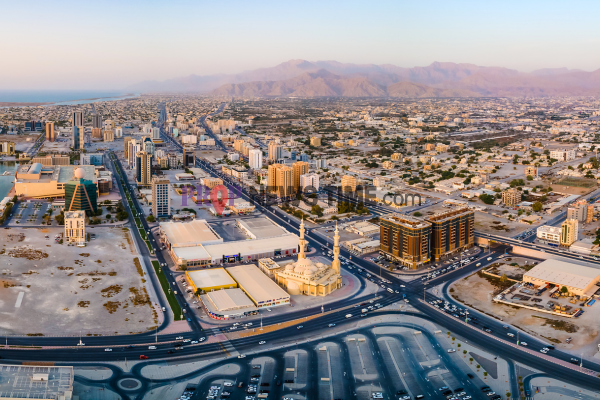
Beijing and Shanghai have introduced tax incentives to revive China's struggling property market, exempting value-added tax (VAT) on properties held for over two years and raising the deed tax threshold to homes larger than 140 square metres. While these measures follow nationwide tax breaks on home and land transactions, market response has been muted, reflecting broader confidence issues. Analysts stress the need for robust policies addressing income stability and economic growth to reignite demand. Though tier-one and tier-two cities show signs of stabilisation, experts view these steps as partial solutions, requiring systemic reforms for long-term recovery in the property sector.Read more

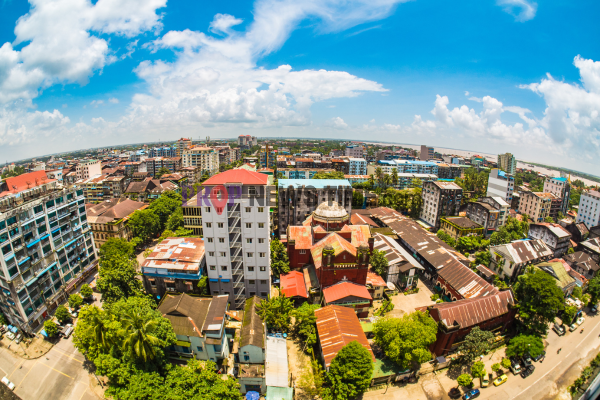
Myanmar nationals are increasingly investing in Thailand's condominium market amid economic and political instability at home, driving a surge in foreign property sales. Condominium purchases by Myanmar buyers tripled in the first nine months of 2024, totaling over 1,000 units worth USD 158 million, making them the second-largest foreign buyer group after Chinese nationals. Wealthy Myanmar citizens are moving funds to safer destinations, favoring properties priced between USD 145,000 and USD 350,000 in cities like Bangkok and Chiang Mai. While Chinese and Russian demand declines, this influx provides a temporary boost to Thailand's struggling real estate sector, highlighting shifting buyer demographics amid regional uncertainties.Read more
Advertisement