Advertisement






Dubai's property market, which experienced a remarkable 70% surge over the past four years, is now encountering significant challenges. Recent tariffs introduced by U.S. President Donald Trump have disrupted global markets, leading to a decline in oil prices below USD 65 per barrel. This downturn threatens the Gulf economies, potentially reducing job opportunities for expatriates who have been pivotal in driving Dubai's real estate demand. Additionally, the moderation in property price growth and the vulnerability of international investments to global asset fluctuations are contributing to the market's strain.Read more
Recent data from property website Rightmove indicates that UK house prices have risen by 1.3% compared to the previous year, reaching an average asking price of £377,182 (approximately USD 494,448). This marks a 1.4% month-on-month increase, the first record since May 2024. Despite the expiration of a temporary tax break, the market remains resilient, with a 5% annual increase in new buyer inquiries and a 4% rise in housing stock. Mortgage interest rates have slightly decreased, with five-year fixed rates averaging 4.72%, down from 4.84% a year earlier.Read more

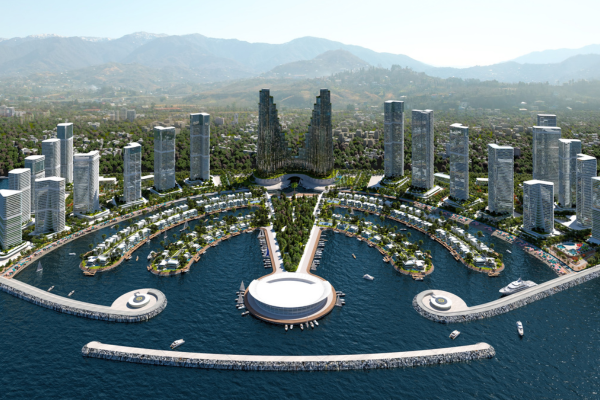
Ambassadori Island Batumi, the first-ever artificial island in the Black Sea, is set to redefine Georgia's coastal skyline and economic prospects. This visionary project blends luxury, sustainability, and high returns on investment, offering annual yields between 9% and 17%. Strategically designed to support tourism, generate over 20,000 jobs, and boost Batumi's economy, the island will feature eco-smart infrastructure, luxury residences, and resort-style amenities. With Georgia's tax-friendly policies and rising tourist inflow, the development is drawing global investor interest. The project is being showcased at the International Property Show in Dubai, highlighting its global ambition and appeal.Read more
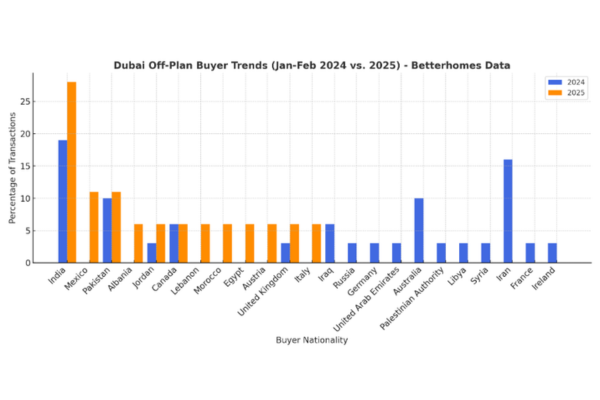
Dubai's real estate market, which experienced remarkable momentum in 2024, has carried that growth into early 2025, with off-plan properties remaining a major driver. A comparison of transaction data between early 2024 and early 2025 reveals a sharp rise in investor activity, particularly from Indian and Mexican buyers. Broader international participation is also evident, with diverse investor groups gaining ground. Strong capital appreciation potential, flexible payment schemes, and ongoing launches of iconic projects like The Valley by Emaar and Dubai Creek Harbour are maintaining the sector's upward trajectory. Strategic policies and infrastructure continue to reinforce Dubai's position as a global investment destination.Read more
China recorded a 12.4% surge in exports in March 2025, as exporters rushed to beat a 145% US tariff on Chinese goods. Imports dropped 4.3%, highlighting weak domestic demand. The country's Q1 trade surplus with the US reached USD 76.6 billion. The rise in shipments, though sharp, is seen as temporary amid ongoing US-China tensions. China is diversifying its export markets across Asia and Africa to offset potential losses. While the global supply chain faces pressure, Southeast Asian economies may see short-term trade gains. Analysts warn of inflationary risks ahead as trade patterns shift and geopolitical tensions remain unresolved.Read more
Advertisement


Britain's housing-market weakened in March as tax-incentives ended and economic concerns grew, according to a Royal Institution of Chartered Surveyors (RICS) survey. New buyer enquiries dropped to a net balance of -32, the lowest since September 2023, down from -16 in February. Agreed home sales also declined. The end of the stamp duty break and negative global developments, including potential trade tensions from U.S. tariffs, worsened sentiment. RICS' house price balance fell to +2, the weakest since August 2024, missing forecasts of +8. While prices may decline short-term, surveyors expect modest growth over the next year despite market uncertainty.Read more
The Qatar Investment Authority (QIA) is reportedly exploring the purchase of a stake in Kering's luxury property on Via Monte Napoleone in Milan, which was acquired by the French fashion giant less than a year ago for EUR 1.3 billion. The move comes amid mounting financial pressure on Kering, primarily due to falling sales at Gucci. Kering recently executed a similar transaction with Ardian involving Paris real estate to reduce its debt, which now exceeds EUR 10.5 billion. While Kering declined to comment and QIA was unreachable, Kering's shares surged following relief from U.S. tariffs, potentially boosting investor sentiment.Read more

In 2024, U.S. citizens emerged as the highest-paying foreign buyers of Spanish property, driven by a strong dollar and political concerns. Their purchases, four times higher than five years ago, focused on central and northern Spain. Americans paid an average of EUR 3,390 (USD 3,732) per square metre, nearly 30% more than British buyers. Foreigners made up 20% of all home purchases, contributing to Spain's housing crisis. The government has proposed taxing non-EU buyers and ended its 'golden visa' scheme. However, demand from Americans-especially those of Latin American heritage-remains strong due to cultural ties and perceived investment value.Read more

Country Garden recently secured support from a key bondholder group for its offshore debt restructuring plan, aiming to reduce its USD 14.1 billion debt by 78%. The agreement includes options such as extended maturities and new debt instruments. Chairperson Yang Huiyan will convert her USD 1.15 billion loan into equity and invest an additional USD 50 million. The company has set deadlines in May for other creditors to join the plan, offering incentives for early agreement. This move comes as Country Garden prepares for a critical court hearing in Hong Kong regarding a liquidation petitionRead more

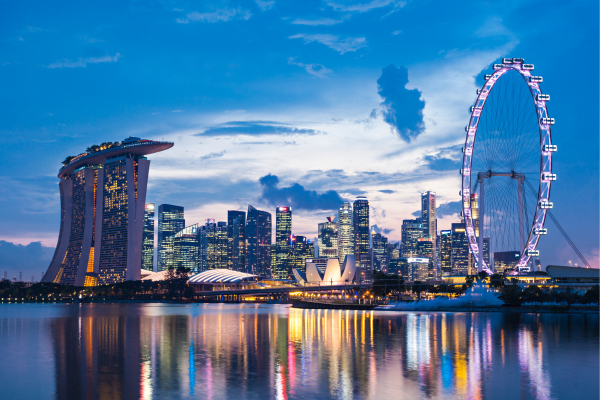
Singapore has lowered its 2025 GDP growth forecast to 0-2%, down from an earlier 1-3%, due to global economic uncertainty and trade disruptions stemming from the US-China tariff standoff. The Ministry of Trade and Industry cited weakened export demand and falling business confidence, while the central bank eased monetary policy for the second time, reflecting lower inflation and economic activity. First-quarter growth slowed to 3.8%, with a 0.8% contraction from the previous quarter. As global trade weakens, export-reliant nations like Singapore brace for reduced manufacturing output, delayed investments, and wider regional impact on economies like Malaysia and South Korea.Read more
Advertisement





