Advertisement






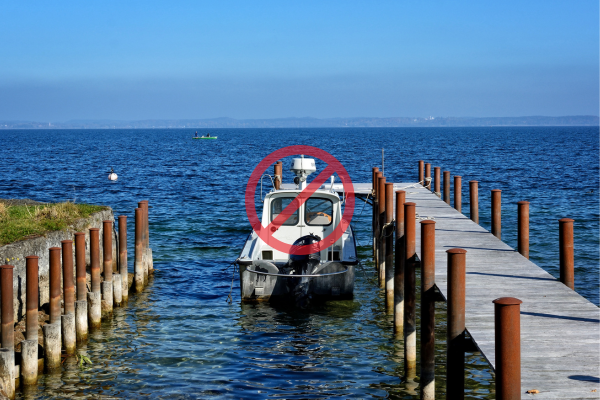
The proposed passenger jetty and terminal near Radio Club in Colaba, backed by a INR 229 crore allocation from Maharashtra Deputy Chief Minister Shri Ajit Pawar, has triggered strong resistance from local residents. Concerns revolve around the potential destruction of the 500-metre-long Gateway promenade, a heritage precinct listed under Mumbai's Development Control Regulations. Locals fear the project will disrupt the environmental and historical fabric of the area and worsen traffic congestion. An online petition titled 'Save Colaba: Stop the Jetty Project' has gained traction, while legal experts stress the necessity of complying with heritage preservation norms.
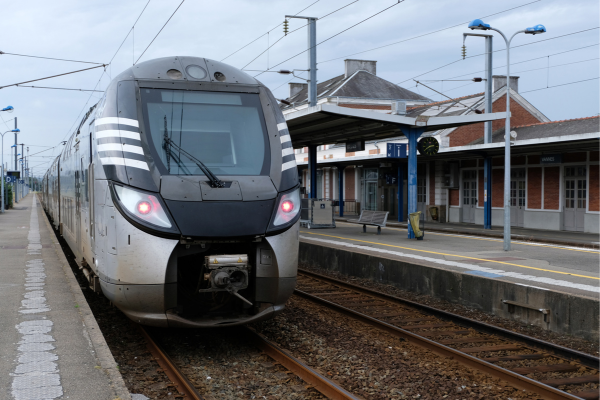
The Mumbai Metropolitan Region Development Authority (MMRDA) is advancing efforts to integrate the city's suburban rail and metro systems by constructing a network of foot overbridges (FOBs). These will connect suburban railway stations at Pant Nagar, Vikhroli, Bhandup, and Ram Mandir with metro lines, and also link key locations like Aarey Metro Station to Oberoi Mall and Goregaon (East) metro station to Nirlon Knowledge Park. A new FOB was opened in March between Devipada Metro Station and Oberoi Skycity Mall. MMRDA is also collaborating with the Walking Project in Vile Parle to enhance access to educational institutions as Metro Line 2B progresses. Estimated at INR 129 crore, these projects aim to improve multimodal travel across Mumbai.
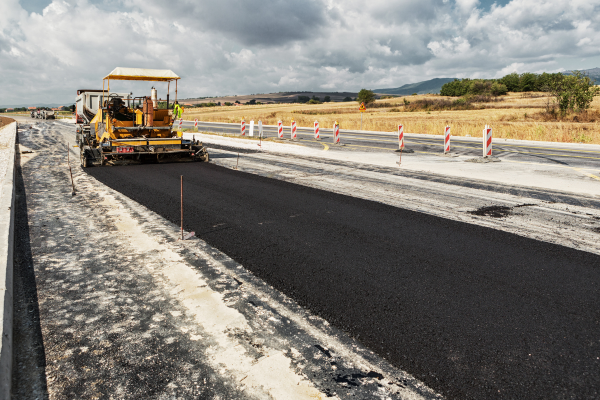
Nearly 40% of the six-lane Ulwe Coastal Road-spanning 6.7 km from Amra Marg to the Atal Setu (MTHL) junction at Shivajinagar-has been completed, with CIDCO pushing ahead on this key infrastructure project. The INR 1,591 crore road project, which includes an elevated airport link of 0.903 km, is integral to ensuring seamless connectivity to the upcoming Navi Mumbai International Airport. CIDCO aims to complete the work by September 2026, with significant financial allocations made in the current and upcoming fiscal years.
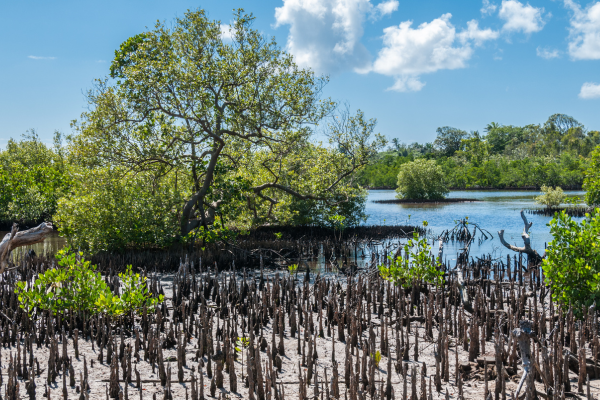
In a pioneering move, the forest department has successfully restored a four-hectare buried mangrove stretch near Vashi railway station, marking the first such initiative in the Mumbai Metropolitan Region (MMR). The effort involved removing debris dumped at Survey Number 17 in Vashi village. Environmentalists, including NatConnect Foundation and Sagar Shakti, welcomed the move and proposed developing a mangrove walk zone to raise public awareness. They urged Navi Mumbai Municipal Corporation (NMMC) to consider establishing its planned Mangrove Park at this restored site, which offers easier execution and minimal ecological disruption.
The Jawaharlal Nehru Port Authority (JNPA) and Nhava Sheva International Container Terminal (NSICT), operated by DP World, have reached a resolution in a 20-year-old tariff dispute. Originating in 2005, the conflict centred around royalty recovery, with NSICT claiming approximately INR 2,653 crore. A compromise has now been reached, fixing INR 705 crore as a recoverable amount through future volume-based royalty discounts. This arrangement requires NSICT to boost cargo volumes to avail the concessions. The port expects the deal to enhance throughput, safeguarding JNPA's revenues and reinforcing NSICT's operational potential under its existing 30-year concession.

Advertisement


A study by Pani Haq Samiti (PHS) and the University of Mumbai has evaluated the effects of the Brihanmumbai Municipal Corporation's (BMC) Water for All policy, launched in 2022, on slum dwellers. The findings indicate significant improvements in residents' access to water, health, and financial burdens. However, despite 14,000 approvals out of 16,000 applications, only 7,043 legal connections have been provided. Experts highlight systemic biases and persistent challenges, such as low pressure and contamination. BMC aims to expand water connections while reducing non-revenue water losses, which currently account for 30% of the supply in Indian cities.
The Maharashtra Housing and Area Development Authority (MHADA) has announced the launch of "Aapla Davakhana," an affordable healthcare initiative in 34 residential colonies across Mumbai. The initiative, directed by State Housing Minister Shri Eknath Shinde, is being implemented in collaboration with One Rupee Clinic by Magicdil Health for All. Under the scheme, general consultations will be available for INR 1, while diagnostic services such as blood tests and sugar checks will cost INR 10. MHADA will allocate 400 sq. ft. of space per clinic, ensuring accessibility to both MHADA residents and the general public. The clinics will be set up in areas including Colaba, Cuffe Parade, Chembur, Andheri, Borivali, and Wadala.

The National Highways Authority of India (NHAI) constructed 5,614 km of highways in FY 2024-25, exceeding its target by 9% and setting a record INR 2.5 lakh crore in capital expenditure. While this was lower than last year's 6,644 km, key projects like the Delhi-Mumbai Expressway and Ludhiana Elevated Corridor progressed significantly. NHAI raised INR 28,724 crore through asset monetization-short of its INR 39,000 crore target-due to a pause in the ToT model. However, the NHIT route alone brought in INR 17,738 crore. For FY26, NHAI plans to monetize INR 30,000 crore and offer 15 BOT projects worth INR 44,000 crore to boost PPP participation.Read more

Residents of Vasai-Virar continue to face severe water shortages even after the repair of a faulty transformer that disrupted supply to the Surya Nagar Water Purification Centre last week. The power failure had halted operations at the Kavdas Pumping Station, affecting a large population. Despite the Surya Regional Water Supply Project's recognition at the national level, supply issues persist. While MMRDA said that they are collaborating with the Maharashtra State Electricity Distribution Company Limited (MSEDCL) for a long-term solution, residents are relying on expensive water tankers, with prices surging up to INR 10,000 per tanker. Authorities claim efforts are underway to restore normal supply. The Surya dam supplies 403 million litres per day (MLD) to the Vasai-Virar belt, while work is ongoing to extend the pipeline to Mira-Bhayandar.
India's highway construction is projected to decline to approximately 7,000 km in FY25, marking its slowest pace in seven years. The Ministry of Road Transport and Highways (MoRTH) has set a target of 10,000-10,500 km, but nearly 30% of this will be dedicated to road strengthening rather than capacity expansion. This shift prioritises complex infrastructure projects such as multi-lane expressways and access-controlled highways over rapid expansion. Despite this, FY24 recorded the highest-ever addition of 9,500 km of new highway capacity. The trend is expected to continue into FY26, focusing on quality over quantity. Government data shows that strengthening projects have fluctuated over the years, indicating a strategic focus on long-term infrastructure durability.
Advertisement





